Marantz Model 30 Review: Power, Phono Stage, and Sound Quality Tested
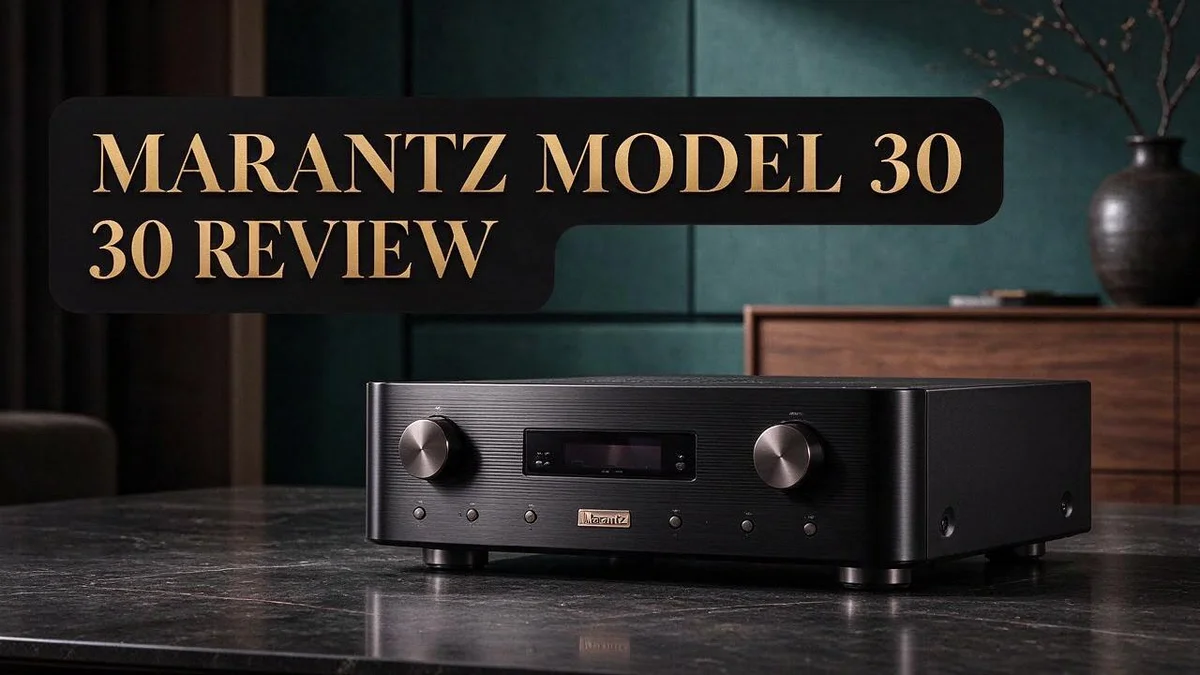
If you want one box for music, movies, and headphones, the Marantz Model 30 deserves a close look. This integrated amplifier combines serious power, streaming, and a strong phono stage.
Under the hood, it uses a Class D design. It delivers over 170 watts into 8 ohms. That power keeps speakers controlled, even at higher volumes.
Reviewers praise its warm tone, good detail, and tight dynamic control. Many also say the bass holds up well at lower volumes.
Headphone fans will also feel at home. The headphone output is highly capable, and the streaming and DAC functions handle modern sources with ease.
Below, we break down the sound, features, owner feedback, and how it compares to rivals like the McIntosh MA252.
In a Nutshell
Here is a quick look at what makes this amplifier stand out.
-
Built-in phono stage: Vinyl fans get a strong phono section right out of the box. Reviewers say the sound feels awake and luxuriously detailed.
-
Bass that holds up: The bass stays full even at lower volumes. This makes it a good match for quiet evening listening.
-
A matching player: The amplifier pairs with the SACD 30n disc player. Together, they form a clean and complete system.
-
Solid reviewer scores: AudioFi gave it 8 out of 10 for sound, which shows how well it performs in real listening rooms.
-
A wiring check matters: One owner reported a unit failure. The cause traced back to a wiring issue with a Rotel component, so careful connections are worth the time.
-
Best fit for: Listeners who want one device for music, movies, and headphones, especially those who also enjoy records.
Power and Amplifier Performance

Last update on 2026-10-28 / Affiliate links / Images from Amazon Product Advertising API Some of the links on this website are affiliate links, which means that at no additional cost to you, I earn a commission if you click through and make a purchase. I only recommend products and services that I believe will add value to my readers. Thank you for your support!
Power numbers tell only part of the story. What matters more is how an amplifier handles demanding speakers. The Model 30 shows strong reserves when the load gets tough.
Lower impedance speakers need extra current. Many floor standing models dip to 4 ohms at certain frequencies. The Model 30 delivers more than 300 watts at peak into that load. That extra headroom gives music room to breathe.
Headroom helps most during sudden crescendos. Orchestral swells, drum hits, and bass drops arrive without warning. An amplifier with reserve power delivers them cleanly.
Efficient circuits keep the chassis cooler. Less wasted energy means less heat under the lid. Long listening sessions feel more comfortable as a result. Movie nights with friends feel relaxed too.
Room size changes how much power you need. Small rooms rarely demand huge output. Larger living spaces benefit from the extra push. Average listening levels sit far below maximum output.
Clipping is the real enemy. Clipping happens when an amplifier runs out of power and distorts the signal. Harsh sound often signals that the volume is too high. Back off the knob a little and the sound relaxes again.
Speaker matching still matters. Look for speakers with a sensitivity near 88 decibels or higher. Higher sensitivity means less strain and smoother output. Check the manual before connecting any cables.
Plan your setup with care. Use quality speaker cable and secure every connection. Clean wiring reduces noise and protects the unit from faults. Good habits help the amplifier perform well for years.
Headroom affects tone as well as volume. When an amplifier rarely strains, the midrange stays open and clear. Vocals sound natural, and acoustic guitars keep their shimmer. Listeners often notice this most with complex recordings. Simple tests reveal the difference quickly.
Good speakers deserve good power. Pairing matters more than raw numbers alone. Test the setup with familiar tracks before settling on final volume levels. Trust your ears during this process. Small changes can improve the result a lot.
Phono Stage and Analog Playback
Vinyl lovers often want a simple setup that sounds right. The Model 30 makes that goal easier to reach.
Start with your cartridge. Your cartridge decides which input type you need. Check whether it is a moving magnet or moving coil design before connecting anything.
Match your turntable carefully. A good match keeps tone balanced and clear. A poor match can make records sound thin, harsh, or dull.
Ground your turntable properly. Connect the ground wire to the amplifier’s ground terminal. This simple step cuts down on annoying hum and buzz.
Set up the tonearm first. Tracking force and anti skate settings matter as much as the electronics. The amplifier can only reproduce what the cartridge reads.
Let the system settle. Give the amplifier a short warm up period before serious listening. Many listeners notice the midrange and bass feel more stable afterward.
Isolate the turntable from vibration. Place it on a solid, level surface away from speakers. Heavy bass can travel through shelves and cause muddy sound or feedback.
Clean your records before each session. Dust creates pops and clicks that distract from the music. A carbon fiber brush and a gentle cleaning fluid help keep grooves fresh.
Pick albums you know well. Familiar recordings reveal changes in detail and dynamics quickly. Try a mix of rock, jazz, and classical to test the system.
Make vinyl a daily ritual. Many owners enjoy records during quiet evenings. The slow routine of flipping a sleeve and lowering the needle adds a calm pause to the day.
Pair the system with the right speakers. Speakers with good bass control suit vinyl sessions best. Test a few options in your room before deciding.
Enjoy the warm, open sound of records. Vinyl often feels more relaxed than streaming. Many listeners hear more natural texture in voices and acoustic instruments.
Keep your collection organized. Sort records by genre or artist for easy access. A tidy shelf makes listening feel more inviting every time.
Share listening sessions with friends. Records invite conversation and shared attention. Put on a side, pour a drink, and enjoy the full album together.
Headphone Output and Streaming Features
Headphone lovers often ask one question first. Will the amplifier drive my headphones well? The Marantz Model 30 gives a confident answer. Its headphone output keeps your listening clear and steady.
Headphones behave differently from speakers. Many models need only a small voltage swing. They still respond to how well the amplifier controls the driver.
A clean output stage keeps vocals sharp and cymbals crisp. You hear more of the recording and less of the electronics. That difference becomes obvious during long sessions with complex orchestral music.
Impedance matters here too. Some headphones carry high impedance ratings. They can sound thin or lifeless on weak sources.
Pairing a demanding pair with this amplifier gives the drivers enough energy to move with purpose. Try a few pairs before you settle on a favorite. Your ears will tell you which sound feels right.
Streaming changes how you use the unit every day. The built-in DAC converts digital files into analog sound. You can play high resolution files from a computer or a network source without adding a separate converter.
Your music library becomes the main event. Playlists flow from one track to the next with ease.
Digital inputs deserve a closer look. Connect a laptop or streamer through a clean digital cable and keep the source stable. A tidy setup reduces noise and keeps timing steady.
Avoid long chains of adapters. Every extra step can add small losses.
Good habits keep the sound at its best. Place the amplifier on a firm shelf with air around the vents. Keep the headphone cable away from power cords to limit hum.
Check your source settings so the output level stays consistent between tracks.
Listening sessions feel different with the right gear. Late night jazz sounds intimate, and quiet podcasts feel close and clear. The Marantz Model 30 makes private listening feel just as rewarding as speaker listening.
Top 3 Alternatives
Yamaha R-N800A

Last update on 2026-10-28 / Affiliate links / Images from Amazon Product Advertising API Some of the links on this website are affiliate links, which means that at no additional cost to you, I earn a commission if you click through and make a purchase. I only recommend products and services that I believe will add value to my readers. Thank you for your support!
Want a modern stereo setup that fits your daily routine? The Yamaha R-N800A suits music lovers who want flexibility. It streams music over Wi-Fi and Bluetooth, so you can play tunes from your phone or laptop. It also includes a phono input, which helps turntable fans connect their records without extra gear. Its clean design fits well in most living rooms.
Denon AVR-S770H


Last update on 2026-10-28 / Affiliate links / Images from Amazon Product Advertising API Some of the links on this website are affiliate links, which means that at no additional cost to you, I earn a commission if you click through and make a purchase. I only recommend products and services that I believe will add value to my readers. Thank you for your support!
Need one box for movies and music? The Denon AVR-S770H covers both jobs with ease. It supports Dolby Atmos and DTS:X, which create immersive surround sound. Built-in HEOS support lets you stream from many music services in one app. Setup takes some time, but the payoff is a rich home theater experience.
Onkyo TX-8270

Last update on 2026-10-28 / Affiliate links / Images from Amazon Product Advertising API Some of the links on this website are affiliate links, which means that at no additional cost to you, I earn a commission if you click through and make a purchase. I only recommend products and services that I believe will add value to my readers. Thank you for your support!
Prefer a simple two-channel system? The Onkyo TX-8270 keeps the focus on sound quality. It delivers strong stereo power for speakers that need a confident drive. Its straightforward controls make it easy to use every day. It suits small rooms and shelf setups well. If you value pure audio over extra features, this receiver makes a solid choice.
Sound Character and Dynamic Control
The sound of the Marantz Model 30 leans warm. Its tone feels full and inviting from the first note. Vocals sit close to the listener, and that makes long sessions feel easy.
Detail comes through without any harshness. Small things like breath sounds, fingertips on strings, and room echo appear clearly. The presentation stays smooth, so fine nuance never feels sharp.
Dynamic control is where this amplifier earns its reputation. Bass lines stay tight and defined instead of blurring into the midrange. Kick drums feel punchy, yet they never overwhelm the rest of the mix.
Quiet passages reveal a lot about an amplifier. The Model 30 keeps low level details alive, so a soft piano note still has shape. Musical tension builds naturally as the volume rises.
Midrange clarity deserves attention too. Voices and acoustic guitars sound natural and unforced. Strings and piano keep their natural shimmer. The tonal balance avoids the thin, brittle edge some amplifiers produce.
Speaker choice shapes the final character. Bright speakers get softened by the warm voicing, while lean speakers gain body. Listeners can shift the balance by picking a speaker that matches their taste.
Reviewers from AudioFi gave the sound an 8 out of 10. That score reflects the balance between warmth and detail. It suggests a sound that rewards long listening sessions rather than quick comparisons.
Some listeners may want a more clinical or forward presentation. For them, the warm tone might feel a little soft at first. Still, most people find the balance pleasant once they settle in.
Try a mix of genres before making a final judgment. Jazz, orchestral pieces, and modern pop reveal different strengths. Pay close attention to how the bass behaves during dense passages.
Listen at both low and high volumes. The amplifier keeps its character across the range. That consistency makes it easier to enjoy music at any hour. Late night sessions still sound full and balanced.
Pros and Cons
Pros
– A strong phono stage delivers a detailed and luxurious sound.
– The amplifier has enough power to drive demanding speakers.
– Bass stays solid even when you listen at lower volumes.
– Built-in streaming and DAC functions keep the setup simple.
– One compact unit covers phono, headphones, and streaming.
Cons
– One owner reported a unit failure.
– That failure was linked to a wiring issue with a Rotel component.
– Few drawbacks appear in published reviews, so check more owner feedback before buying.
– Rivals like the McIntosh MA252 and Rotel models are worth comparing.
Who Should Buy It
This amplifier fits a specific kind of listener. It works best for people who want one solid core for their system. Think of it as the center of a simple setup built around music. Buyers who enjoy routine and clear sound often feel at home with it.
Mixed households gain the most from this design. One person may stream playlists during the week. Another may spin records on Sunday mornings. Both can share the same speakers without swapping gear.
Slow builders will appreciate the upgrade path. You can start with this amplifier and add the SACD 30n player later. That pairing gives you a clear next step. Your system grows over time without a full rebuild.
Late night listeners often enjoy long sessions here. Harsh treble can tire the ears after an hour. A smooth presentation keeps the room feeling relaxed. Quiet passages then feel calm rather than tiring.
Movie fans should look elsewhere. This amplifier focuses on two channel music rather than surround sound. Home theater setups need a receiver with more inputs and decoding options.
Shoppers who want certainty should audition first. Bring albums you know well. Choose a few vocal tracks, a dense rock record, and some quiet classical pieces. Listen for vocals, bass, and calm moments between tracks. Your own music reveals the true character of the sound.
Buyers who want more owner stories should dig deeper. Published feedback is limited, so check forums and recent reviews. A store demo or a seller with clear return rules adds real protection. Ask the seller about warranty length and support options.
In short, this amplifier suits music lovers who want simplicity. It rewards people who value a relaxed sound and a tidy setup. A quick listen often shows more than a long spec sheet. Take time to match it with your room and your favorite music.
Final Verdict
The Marantz Model 30 ends this review on a positive note. It gathers phono, headphones, and streaming into one clean unit that keeps your setup simple.
Few amplifiers handle so many jobs well. This one does, and it rarely feels crowded on a shelf or desk.
Think of it as a foundation rather than a showpiece. You can build around it slowly, adding new sources or speakers over the years.
Owners who enjoy gradual change will likely appreciate that flexibility. It leaves room to shift direction without replacing the core of your system.
The biggest strength is balance. It sounds pleasant during relaxed listening, yet it still reveals subtle detail when you focus on a favorite recording.
Records sound lively through the built-in phono stage. Headphone sessions feel focused, which suits quiet evenings alone.
Streaming fans will enjoy quick access to playlists without extra gear. A single chassis also saves room and reduces cable clutter, which helps smaller rooms feel open.
Some buyers may still feel uncertain before committing to a new amplifier. A calm approach helps you choose wisely.
Before you buy, read recent owner forums and ask about return options. Compare experiences from people who pair it with speakers like yours.
Think about your future plans too. If you expect to add a turntable or a new speaker pair, this amplifier can grow with you.
Listen with friends or family as well. Shared sessions show how the sound performs with different tastes.
Keep a short checklist in mind. Test your speakers, your favorite albums, and your daily listening habits before you decide.
Overall, the Marantz Model 30 is a dependable and enjoyable amplifier. It suits listeners who want strong sound, flexible inputs, and a calm, uncluttered setup. It also suits people who enjoy both casual listening and focused sessions.
Take your time, play music you love, and trust your ears before you decide.
A confident choice feels good for years.
Frequently Asked Questions
Will this amplifier suit bright sounding speakers?
It can, but the pairing matters. The amplifier leans warm, so it can soften sharp edges from bright speakers. Speakers that already sound thick or dull may need a brighter partner. Listen with your own speakers before you decide.
What should I check before connecting a turntable?
Confirm that your cartridge matches the built-in phono stage. A match helps you get the most from your records. If you are unsure, check the cartridge specs or ask a dealer for help.
How long should I test it at home?
Give it several weeks of regular use. Short demos show the first impression, but daily listening reveals how the treble and bass feel over time. Play the same albums often so you can notice small changes.
Is this amplifier a good first step in a new system?
Yes, it can be a strong starting point. You can build around it over time. Many listeners start with the core unit and add new parts when their taste grows.

Hi, my name is Lily you can say i am a gadget hunter at this point. Welcome to Gadget Gallery The Gallery of Gadget Reviews