Amazon Smart Thermostat Review 2026: Design, Setup, and Control
Is your home ready for a smarter way to stay comfortable? The Amazon Smart Thermostat might be the upgrade you need.
Many people want control over their heating and cooling. They also want something easy to use. This device checks both boxes.
Built with Honeywell Home technology, it brings smart temperature control into your living space. You can adjust it by hand, use your voice with Alexa, or use the Alexa app.
Setup feels simple too. The app guides you through clear, illustrated steps. Many reviewers praise the nice design and the great display.
In this review, we look at how it performs. We also compare it with other options, including the popular Nest thermostat. Let’s get started.
In a Nutshell
-
Flexible control options: You can adjust the temperature by hand, with your voice through Alexa, or from the Alexa app. Each method works well, so you can pick the one that fits your day.
-
A familiar navigation layout: The bottom navigation bar works much like the one on Android phones. Moving between settings feels natural, even if this is your first smart thermostat.
-
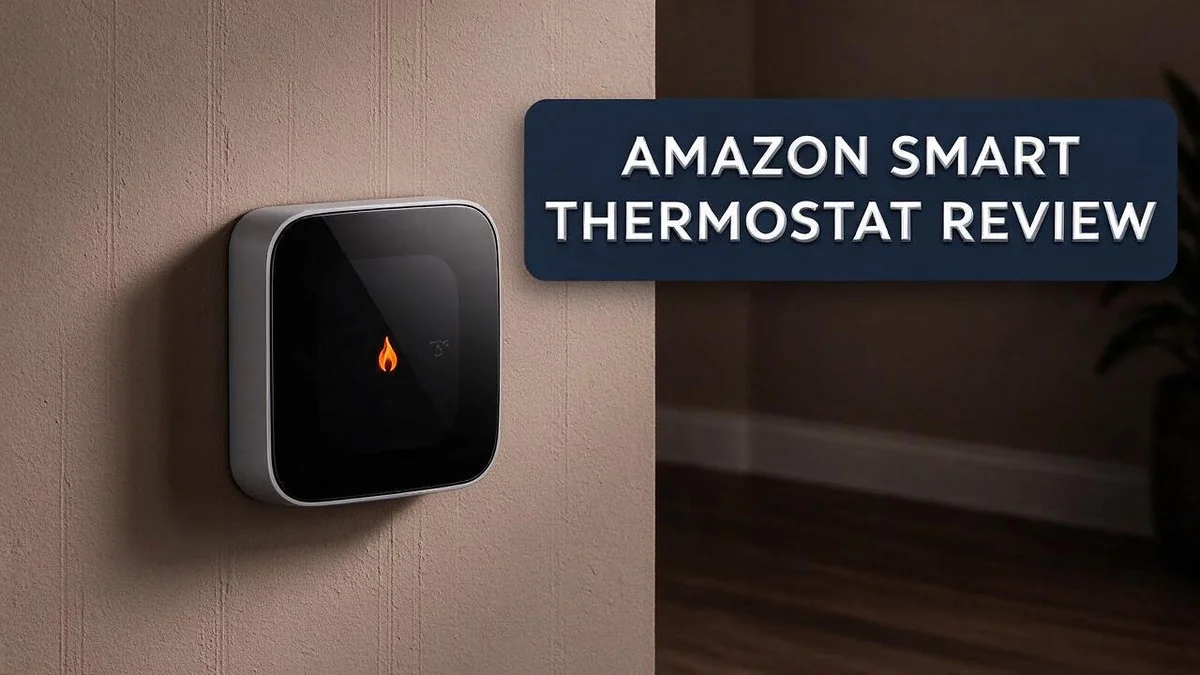
A clear display: Reviewers call the screen a great display. You can check your current temperature and settings at a glance from across the room.
-
Guided setup steps: The app walks you through each stage with illustrated instructions. You can follow along one step at a time and finish without guessing what comes next.
-
A pleasing design: Many people praise the look of the unit. It can blend nicely into a modern living space without standing out in a bad way.
-
A useful comparison point: Online discussions often pit this model against the Nest thermostat. Reading both reviews can help you decide which features matter most to your home.
Design and Display


Last update on 2026-10-18 / Affiliate links / Images from Amazon Product Advertising API Some of the links on this website are affiliate links, which means that at no additional cost to you, I earn a commission if you click through and make a purchase. I only recommend products and services that I believe will add value to my readers. Thank you for your support!
Your thermostat hangs on the same wall for years. So a clean look and easy reading matter a lot.
The unit suits modern rooms well. Its simple shape fits with many wall colors and decor styles.
A quick glance tells you the room temperature. You do not need to unlock your phone first. Small moments like this add up every day.
Placement changes how accurate readings feel. Keep the unit away from direct sunlight, drafts, and nearby lamps. These spots can warm or cool the sensor and skew the number.
Check the screen at different times of day. Look at the numbers in bright morning light and dim evening rooms. Good visibility keeps the setting easy to read at any hour.
Lighting also changes how the display feels. Warm lamps and bright windows can shift the mood of the screen. Try a few spots before you settle.
Simple layouts reduce confusion. Guests and older family members can often read the numbers without help.
Think about who uses the thermostat most. A shared hallway may need a clear view from across the room. A bedroom may need a calmer, dimmer look at night.
Mounting plays a big role in the final look. Pick a spot near eye level and close to a light switch. A level, neat install makes the whole setup feel polished.
Take a few measurements before mounting. Compare the back plate with your wall space. This small step prevents gaps and crooked placement.
Wipe the front with a soft, dry cloth. Dust can dull the look of any device on the wall.
Overall, the look and screen suit everyday living. Next, we explore how the thermostat handles everyday comfort.
Installation and Setup
Before you begin, gather a few basic tools. A screwdriver and a small level usually cover the job. Keep your phone nearby and charged.
Turn off the power at your breaker first. This step keeps you safe while the old unit comes off the wall. Electricity can cause harm, so never skip it.
Take a clear photo of the old wiring. Each wire connects to a letter or label on the back plate. Photos make it easy to match them later.
Label each wire with a small piece of tape. Some people use a marker on the tape. Matching labels prevent confusion during the swap.
Check your wireless signal near the wall. A weak signal can slow down updates and pairing. Move your router closer or add an extension if needed.
Create your account before you touch the wires. Sign in to the Alexa app and start the device setup. This order saves time and keeps your progress on track.
Pairing with Alexa happens after the unit powers on. Say a simple command or open the app to link the device. Alexa can then find the thermostat in your device list.
Install any software updates when the app asks. Updates often improve performance and fix small bugs. Wait for the progress bar to finish before you leave the room.
After mounting, run a quick test. Turn on the heat, then the cooling, and listen for the system to respond. Watch the temperature change over a few minutes.
If the system does not respond, check the wires again. Loose connections cause most early problems. Turn the power back on only after you check every label twice.
Once everything works, rename the thermostat by room. Names like Hallway or Bedroom make voice commands easier. Clear names also help other family members.
Most people finish setup within one visit. Plan a relaxed afternoon, and you will avoid rushing. A calm pace leads to fewer mistakes.
Control Options
Think about the people who share your home. Each person may prefer a different method. Matching the control to each person keeps the house comfortable for everyone.
Invite family members to share access. Everyone can use the Alexa app on a personal phone. No one has to ask permission before changing a setting.
Set up voice routines for daily habits. A bedtime routine can run with one spoken phrase. You can group actions in the Alexa app so several devices respond together.
Keep manual control for guests and older relatives. Some visitors feel unsure about voice commands or apps. Show them the navigation bar on the unit first so they feel confident.
Plan for a weak internet connection. App and voice control need a steady signal to work well. Your manual control stays ready as a backup when the signal drops.
Test each method once after setup. Adjust the temperature by hand, then by voice, then from the app. This quick check shows which method fits your home best.
Consider who wants to change settings. Some people like to adjust the heat often. Others prefer to set one schedule and forget it. Think about your own habits before you choose.
Agree on a comfortable range. Shared rooms need steady settings. Talk with your housemates about a temperature range that works for everyone. This small chat avoids constant changes.
Use the app when you are away. You can check the room temperature from work or during a trip. Then you can adjust the heat before you return home.
Stay consistent with your choice. Switching methods often can confuse people at home. Pick a main method and share it with your household so everyone knows what to do.
Top 3 Alternatives
Google Nest Thermostat

Last update on 2026-10-13 / Affiliate links / Images from Amazon Product Advertising API Some of the links on this website are affiliate links, which means that at no additional cost to you, I earn a commission if you click through and make a purchase. I only recommend products and services that I believe will add value to my readers. Thank you for your support!
The Google Nest Thermostat is a sleek and simple option. It learns your daily schedule and adjusts the temperature for you. You can control it with your voice or your phone from anywhere.
It works well for most homes. Setup takes only a few minutes. It also shows how much energy you use each month, so you can spot patterns in your habits. Many people like its clean look and easy controls.
ecobee Smart Thermostat

Last update on 2026-11-04 / Affiliate links / Images from Amazon Product Advertising API Some of the links on this website are affiliate links, which means that at no additional cost to you, I earn a commission if you click through and make a purchase. I only recommend products and services that I believe will add value to my readers. Thank you for your support!
The ecobee Smart Thermostat stands out with its large touchscreen. It comes with a remote sensor that you place in another room. This helps balance the temperature across your whole home.
Many households love the room sensors. The device also works with popular voice assistants. It gives clear reports on your heating and cooling use, so you can make smarter choices each month.
Honeywell Home T9

Last update on 2026-11-04 / Affiliate links / Images from Amazon Product Advertising API Some of the links on this website are affiliate links, which means that at no additional cost to you, I earn a commission if you click through and make a purchase. I only recommend products and services that I believe will add value to my readers. Thank you for your support!
The Honeywell Home T9 is a great pick for larger homes. It uses multiple room sensors to balance the temperature across the house. Each sensor reads the temperature in its own room.
Its design feels simple and clean. You can set schedules from a smartphone app. It also supports remote access, so you can adjust settings while you travel. Many users find it easy to manage every floor from one place.
Energy Savings and Scheduling
Energy savings start with a simple idea. Heating and cooling often use more power than any other part of the home. A smart thermostat helps you use less energy without feeling uncomfortable.
Scheduling works best when it matches your daily life. Think about when people leave for work, come back home, and go to sleep. Then set gentle temperature changes during the hours when nobody needs full comfort.
Start with a simple weekday plan. Most households follow a steady pattern. Pick two or three time blocks and test them for one week. Adjust the numbers if the house feels cold or stuffy in the evening.
Weekends need their own schedule. Many families stay home longer on Saturdays and Sundays. A separate weekend plan keeps the house comfortable when everyone relaxes together. It also avoids wasted energy on quiet mornings.
Small changes add up over time. A few degrees lower during empty hours can reduce energy use. You may notice the difference in your monthly energy use after a few cycles.
Watch how your home responds. Notice which rooms warm up fastest and which ones lag behind. Those patterns help you set better times for each zone.
Avoid sharp swings in temperature. Sudden jumps make the system work harder for short periods. Gradual changes feel more natural and keep daily routines smooth.
The app shows each time block at a glance. Setup guides you through the steps, so new schedules take only a few minutes to create.
Plans change, so schedules need checks. Trips, guests, and sick days can throw off a routine. Open the app and update the times when your week looks different.
Review your settings each season. Outdoor temperatures shift as the year moves on. Check the schedule in spring and again in autumn. This quick habit keeps energy use steady and your rooms pleasant.
Value for Money
Think about what you get from this thermostat every day. It offers three ways to control your home heat. You can use the unit on the wall, your voice, or the Alexa app.
That mix matters because daily comfort adds up over time. A device you touch often should feel simple and pleasant to use.
The design also earns praise from people who have tried it. It looks clean on the wall and blends into most rooms.
The display stands out too. Android Central calls it a great display, which makes the temperature easy to read from across the room.
The navigation bar feels familiar. It sits along the bottom and works much like the bar on Android phones. If you already use an Android device, you will feel comfortable with it quickly.
The guided setup also saves effort. The illustrated steps in the app show you what to do next, so you rarely need to guess.
Over the long run, the experience matters more than a quick first look. A thermostat stays on your wall for years. Every small comfort counts during that time.
Shoppers often compare this model with the Nest thermostat. Online discussions name Nest as a top rival, so it makes a useful benchmark.
Other smart thermostat roundups list many more choices. Compare the display, the control options, and the setup steps side by side. That approach shows which model fits your daily needs best.
The sources reviewed here list no clear drawbacks. Still, your own experience will tell you the most.
Pick the option that matches how your household lives.
Pros and Cons
Pros
- Built with Honeywell Home thermostat technology.
- Illustrated steps in the app guide first time users.
- Fits well in homes that already use Alexa devices.
- Offers a familiar layout for people who use Android phones.
Cons
- The research gives few detailed specs, so check the details yourself.
- It works best with the Alexa ecosystem, which may not suit every household.
- Direct tests against the Nest thermostat are missing from the sources.
- Long-term durability data is not part of the research.
Who Should Buy It
This thermostat suits a few types of people well. Read on to see if you fit the profile.
Some people will love this thermostat more than others.
First time smart home owners often feel nervous about new gadgets. This model keeps things simple. A clear layout helps beginners feel confident from day one.
Busy households also benefit a lot. Parents, students, and shift workers rarely have time to fuss with a dial. Quick taps and simple commands keep the house comfortable.
Renters and people seeking a first upgrade may like a simple first step into smart home tech. It can feel like a manageable project.
Relatives who help older family members may find the app useful. They can check settings from afar. Peace of mind comes from knowing the house stays comfortable.
Light sleepers care about bedroom temperature. Steady heat at night helps many people rest better. Set a bedtime plan and let the thermostat handle the rest.
Pet owners want a steady home for animals. Comfortable temperatures matter during long workdays. Steady warmth can keep pets relaxed.
People planning a bigger smart home should check compatibility first. Confirm that other devices work with this unit before you commit.
Couples with different comfort levels often disagree about warmth. Clear schedules and quick changes help both people feel heard.
Anyone who likes simple tools will feel comfortable here. The controls feel natural after a day or two. Patience pays off quickly.
Hobbyists who want deep custom control may need a second look. Sources give few detailed specs. Compare the features you need most before you buy.
Your home and daily habits matter most. Think about how you heat your space each day. A good match feels easy every single day.
Take time to picture your daily routine. Write down what matters most. That simple step makes the choice clearer.
Your choice should fit your life, not someone else’s.
Final Verdict
Our overall take is positive but cautious. The Amazon Smart Thermostat looks like a solid pick for a simple smart home start. Most of the feedback we found is upbeat.
Still, the research leaves gaps. Hands on tests and long term reports are thin. Plan to read fresh reviews before you commit.
Think of this device as a good first step. It helps you learn how smart heating works. Setup is only the start. Spend a week using the schedule and adjusting temperatures. This shows you how the device fits your daily routine.
Consider your privacy too. The device links to your Amazon account, so review the sharing settings. Turn on only the features you need.
Who should say yes? Choose it if your home already runs on Alexa. Choose it if you want a clean look and simple setup.
Who should wait? Skip it if you need deep integration with other brands. Also wait if you want proof of long life from years of use.
Before you buy, check your heating system. Confirm that your wiring and boiler type work with the model. Read the product page for official compatibility notes. A quick checklist helps. Confirm your system type, your Wi Fi strength, and your voice assistant setup.
Remember that a thermostat sits on your wall every day. Small annoyances grow over time. Test the controls in person if you can. Ask a friend who owns one about daily use.
Final word: this thermostat earns a place on your shortlist. It offers easy control and a friendly design. In short, the right choice depends on your home and habits. Weigh the strengths against the gaps. Then decide with confidence.
Frequently Asked Questions
Can I control this thermostat without a phone?
Yes, you can. You can adjust the temperature right on the device with its navigation bar. You can also use Alexa voice commands or the Alexa app whenever you like.
Is setup simple for someone new to smart devices?
Setup feels calm and clear. The app shows guided steps, so you can move through each screen at your own pace. Read each prompt before you tap, and you will avoid most mistakes.
Will the display be easy to read?
Reviewers call the display great. The bottom navigation bar works much like the one on Android phones. If you already use an Android phone, moving around the menus will feel familiar.
Can I use it with other smart home brands?
The research does not include direct tests against other brands. Nest appears in shopper comparisons, but no side-by-side results exist yet. Check the product details and your current devices before you decide.

Hi, my name is Lily you can say i am a gadget hunter at this point. Welcome to Gadget Gallery The Gallery of Gadget Reviews