Samsung SmartTag2 Review: Features, Range, Battery Life and Verdict
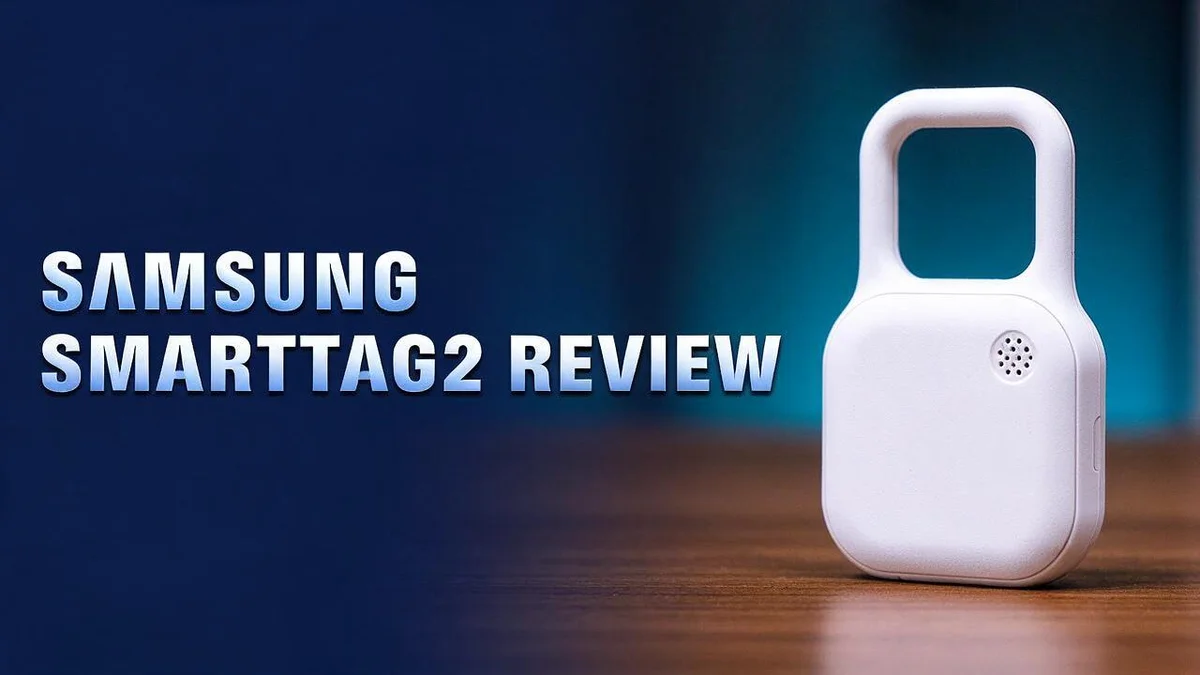
Lost keys can ruin a busy morning. The Samsung Galaxy SmartTag2 aims to solve that problem with a small, friendly design.
It fits easily on a keyring or a pet collar. Its IP67 rating means it resists water and dust too.
Tracking runs through the SmartThings Find network. Your Galaxy phone can locate the tag, and the app keeps a location history. Users also get alerts if an unknown tracker follows them.
Many shoppers want a tracker that lasts. Reports vary on battery life, with one source listing up to 500 days and another listing 500 hours. Either way, the battery is replaceable, so you can keep it going.
Let’s look at what makes this tag stand out, and where it falls short.
In a Nutshell
- Clear upgrade: Samsung improved this tag over the original SmartTag. Shoppers who owned the first version will notice the difference in daily use.
- Smarter app experience: The refreshed SmartThings app makes it simple to review where your item has been over time. Owners can open it quickly and check results.
- Alerts for unknown trackers: The tag warns people when unfamiliar trackers travel with them, even across different phone systems. This feature adds a useful layer of privacy.
- Location history at a glance: Owners can see past spots, which helps retrace a lost bag or a pet’s walk. Good range and precision help during the final search.
- Battery claims need checking: Sources list battery life as up to 500 days in one place and 500 hours in another, so verify the number before you buy.
- Mixed feedback from users: One owner says the tag needs a nearby phone with mobile data or a working internet connection to report location. Some Reddit users also share negative experiences, though the details are limited.
Key Features and Capabilities

Last update on 2026-11-04 / Affiliate links / Images from Amazon Product Advertising API Some of the links on this website are affiliate links, which means that at no additional cost to you, I earn a commission if you click through and make a purchase. I only recommend products and services that I believe will add value to my readers. Thank you for your support!
Your tag needs to survive real life. This one handles rain, splashes, and dusty bags with ease.
Water and dust resistance matters. The tag carries an IP67 rating. It resists both water and dust.
A muddy walk or a sudden downpour will not stop it from working. Owners can attach it to gear that sees rough use every day.
Light enough to forget. The tag weighs very little. You will barely notice it in a jacket pocket or school bag.
Its slim body also slips into tight spots. Think zipper pockets or the gap between couch cushions.
Swap the battery instead of the tag. The battery is replaceable. When power fades, you change the battery rather than the whole device.
That approach can keep the tag useful for longer. It also reduces the need to replace hardware too soon.
Good range and precision. Users describe good range and precision. When an item sits nearby, the signal helps you narrow down its exact spot. Searching feels quicker and less stressful.
Built for Galaxy owners. The tag works best with Samsung Galaxy devices. If you use another brand, you may find fewer features to rely on.
Commuters, travelers, and pet owners often gain the most from these features. Their items move often, so quick location checks matter.
Compact design for crowded bags. The tag sits flat against a bag lining. It rarely tangles with other items.
Opening the app takes only a moment. You can check on an item between meetings or during a busy commute.
Simple tips for daily use. Attach the tag to items you use every day, such as keys, wallets, or backpacks. Check the app now and then so you know the tag still reports properly.
The bottom line. This tag suits people who want dependable tracking in a small package. Check your phone brand first, then decide if it fits your routine.
Design, Size and Water Resistance
Size often decides whether a tracker gets used at all. Many people skip gadgets that feel bulky on a keychain. This tag keeps things compact, with measurements of 28.8 × 52.44 × 8.0 mm.
The thickness is the number to watch. At 8.0 mm, the tag sits flat against the inside of a bag. A low profile means it is less likely to catch on pockets, straps, or car seats. Over time, that helps the tag stay in place instead of working loose.
The shape also matters for pets. A collar can carry a lot of weight in small ways, so a light, flat tag feels less like an add-on. Pets are more likely to tolerate a tracker that barely changes how their collar sits.
Water resistance works in everyday situations. The IP67 rating means the tag is sealed against dust. It can also handle brief time in shallow water. For most people, that covers rain, puddles, and spills without any extra effort. After a muddy hike, a quick wipe with a dry cloth keeps the surface clean and the tag ready to use.
Think about where the tag will travel. A tag on a gym bag faces sweat and damp floors. A tag on a dog collar faces grass, mud, and wet weather. A tag on a set of keys faces rain on the walk to the car. The tag handles all of these settings, so the choice of where to attach it depends on your routine.
The design supports daily habits. Owners rarely think about a tracker once it is set up. A slim, sealed, and steady design lets the tag do its job quietly. You can focus on your day while the tag stays in the background, ready if something goes missing.
Tracking Range and Location Precision
Tracking range shapes how useful any tag feels. Most trackers use a short wireless signal, so distance plays a big role.
Think of the SmartTag2 as working in two zones. The first zone is close range, where your phone can connect directly with the tag.
The second zone is wider. Here, other nearby Galaxy phones can pass along a last known location, which helps you search from afar.
Walls, metal, and crowded spaces can weaken the signal. A tag inside a metal filing cabinet or a thick car trunk may take longer to show up.
Location precision is a separate question. A map pin shows where a device was last seen, not always the exact spot where the item sits.
This gap matters most in busy places. A bag left at a crowded train station may show a pin near the platform, while the real item sits under a bench.
When you feel close, press the play sound option in the app. Listen carefully and move slowly until the tag rings nearby.
Watch how the map pin changes as you walk. Small steps can shift the result, so check the app again after each move.
Try a simple test at home before a trip. Hide the tag in another room, then time how fast the app updates its location.
Stay calm when the map looks off. Pins can change as nearby phones send fresh data, so check again after a few minutes.
Luggage tracking shows this value best. A suitcase may sit in a hotel lobby, and the last seen pin still narrows the search to one area.
Plan your search before you leave the house. Know which bag or room holds the tag, and keep your phone charged so the app stays active.
In short, range helps you get close, and precision helps you finish the search. Both matter when you need to find something fast.
Clear pins and quick sound alerts can save time. They turn a confusing search into a simple walk around one small area.
Top 3 Alternatives
Looking for a Samsung SmartTag2 alternative? These three trackers help you find lost keys, bags, and more. Each one has its own strengths.
Apple AirTag


Last update on 2026-11-04 / Affiliate links / Images from Amazon Product Advertising API Some of the links on this website are affiliate links, which means that at no additional cost to you, I earn a commission if you click through and make a purchase. I only recommend products and services that I believe will add value to my readers. Thank you for your support!
Apple AirTag works best for iPhone users. It uses the Find My network to locate items. You can see your keys on a map or play a sound to find them nearby. Setup takes only a few seconds. The tag has a replaceable battery that lasts about a year.
Tile Mate

Last update on 2026-11-04 / Affiliate links / Images from Amazon Product Advertising API Some of the links on this website are affiliate links, which means that at no additional cost to you, I earn a commission if you click through and make a purchase. I only recommend products and services that I believe will add value to my readers. Thank you for your support!
Tile Mate offers a loud alarm and a long range. It works with both iPhone and Android phones. You can ring it from the Tile app, and you can share your items with family members. It is a good choice for mixed phone households. Tile Mate also has a replaceable battery, so you can keep it running for a long time.
Chipolo ONE Spot

Last update on 2026-11-04 / Affiliate links / Images from Amazon Product Advertising API Some of the links on this website are affiliate links, which means that at no additional cost to you, I earn a commission if you click through and make a purchase. I only recommend products and services that I believe will add value to my readers. Thank you for your support!
Chipolo ONE Spot is a friendly option for Android users. It works with Google’s Find My Device network, so many phones can help locate it. It has a built-in speaker that is quite loud. Its small, round design fits easily on keychains. It also has a water resistant body, so rain will not harm it.
Pick the tracker that matches your phone. Each option gives you a simple way to stop losing your things.
Battery Life and Replacement Options
Battery life decides how long your tracker stays ready. Nobody wants a tag that goes silent before a trip. The SmartTag2 uses a replaceable battery, so planning ahead matters.
The sources give two different numbers. One lists up to 500 days. Another lists 500 hours. The gap is large, so check Samsung’s official details before you rely on either figure.
The longer figure seems more likely. A tag that needed fresh power every few weeks would feel like a chore. Owners want a tracker that works quietly in the background.
Real life will shorten the battery. Frequent location updates use more energy. Extreme heat or cold can also reduce how long a battery holds its charge.
Check the battery status in the app. Open the SmartThings app and look for battery status. Spotting low power early gives you time to act. Check it once a month so you never get caught off guard.
Think about how you use the tag. A daily commute uses the tag differently than a weekend hike. Match your replacement plan to your routine.
Set a replacement reminder. Pick a date each year and swap the battery then. Many people link this habit to changing clocks or smoke alarm batteries. That habit keeps the tag ready.
Keep a spare battery nearby. A spare saves you from a last minute search for a shop. Store it somewhere cool and dry, away from pets and children.
Handle the case with care. Open and close the case slowly, then press it firmly so the seal sits flat. A proper seal keeps the water and dust protection working after each swap.
Recycle old batteries safely. Do not throw coin batteries in household bins. Many stores and local recycling centers offer collection points.
Battery care keeps your tag useful. A little planning prevents surprises. A simple reminder and a spare battery keep your SmartTag2 ready for every trip.
SmartThings App Experience
The SmartThings app is where the SmartTag2 comes to life. Setup feels quick. Most owners pair the tag in a few taps and give it a clear name that is easy to recognize.
The app also keeps a location history for each tag. You can look back at where the tag was seen over time. This helps when you need to retrace your steps after leaving a bag at a café or a train station.
Alerts give the app a protective side. The SmartTag2 can warn you when an unknown tracker travels with you, even if you use a different phone. These warnings give you peace of mind.
Keep notifications turned on. A helpful warning does nothing if you miss it. Check your phone settings so SmartThings alerts can reach you right away.
The app depends on nearby phones. A tag reports its position through a nearby phone that has mobile data or wireless internet. When no phone passes close by, the map may show an older location for a while.
Some Reddit users report mixed experiences with the app. The source material does not give details. Try the app for a few days before you rely on it for an important trip.
A quick glance at the home screen shows every tag you own. This layout saves time when you manage several items at once, like a bag, keys, and a pet collar.
Take a few minutes to explore the settings. Small changes can make alerts and history easier to use. Good habits also help. Check your tag list once a week so you always know where each item sits.
Pros and Cons
Pros
- The compact design fits on a keyring or pet collar.
- The replaceable battery lets you swap power instead of buying a new tag.
- The IP67 rating handles rain, dust, and messy trips.
- It is a clear upgrade over the original SmartTag.
- The improved SmartThings app keeps things simple to use.
Cons
- It works only with Samsung Galaxy devices.
- It needs a nearby phone with mobile data or an internet connection to report location.
- The sources list battery life differently, so real results may vary.
- Some Reddit users share mixed experiences.
Who Should Buy It
The SmartTag2 fits Galaxy owners who lose small items often. Keys, wallets, and bags tend to vanish at the worst times. This tag gives you a quick way to find them again.
Students can benefit too. A backpack or laptop bag may end up in a library, a gym, or a crowded lecture hall. One tag can keep that bag on your radar from class to home.
Remote workers also fit the profile. Laptops, chargers, and notebooks slide off desks and into bags. A tag helps you locate the gear before a meeting starts.
Busy families also gain value. Kids rush out the door with shoes, lunch boxes, or sports gear. A tag on these items cuts down on frantic searching before school.
Frequent travelers should give it a close look. Hotel rooms, rental cars, and airport lounges hide lost items easily. Slip the tag into a suitcase pocket before every trip.
Caregivers may find it useful as well. A tag on a walker bag, a cane, or a medication pouch can offer peace of mind. Anyone with a busy morning routine will notice the difference fast.
Anyone who wants a simple setup will like the tag. It needs little attention once attached. Most people only open the app when something goes missing.
Think about how often the item moves. A tag works best on things that leave home every day.
Someone who uses an iPhone or a phone from another brand should skip this model. Without a Galaxy device, the tag cannot do much. Look at other options instead.
The best buyer already owns a Galaxy phone. That person wants a simple finder for everyday items.
Set it up at home first. Test the alerts and the app before the tag goes on a daily item. That quick check makes the tag far more useful when it counts.
Final Verdict
The Samsung Galaxy SmartTag2 makes a strong case for itself. It solves a common problem with a small, sturdy device. Most people will find it easy to trust.
The best way to decide is a short test. Attach the tag to something you lose often, then leave it behind for a day.
Watch how fast the alerts arrive. Check how clear the location history looks. This simple check shows more than any spec sheet can.
Battery life needs a careful look. Sources list it as up to 500 days in one place and 500 hours in another. Treat the number as a guide, not a promise.
Think about setup time, too. A new owner can pair the tag, name it, and start tracking in a few minutes. That speed matters when keys go missing at the front door.
Place the tag where you will notice it. Clip it to a bag or keyring so you can spot it fast. A hidden tag helps nobody.
Reviews from real owners vary. Some people praise the tag, while others share frustrations. Read recent feedback before you commit, and compare it with your own daily routine.
Your habits make the final call. Someone who carries a Galaxy phone and misplaces small items will likely feel at home with this tag. Someone who needs advanced features or works across many brands should keep looking.
Bottom line: the SmartTag2 is a dependable pick for Galaxy users who want quick, low effort tracking. It will not solve every problem. It does solve the most common one well.
Frequently Asked Questions
How far can the SmartTag2 help me find my item?
The research points to good range and precision for this tag. It reports its location through nearby Galaxy phones.
Your search works best in places where other Galaxy devices pass by often. Busy streets and shops are good examples.
Can I check where my item was earlier?
Yes, the SmartTag2 supports location history tracking. You can view past spots and retrace your steps.
This feature helps most after you lose a bag or leave a jacket behind. Start with the last places you remember, then compare them with the history.
What happens if an unknown tag travels with me?
The tag supports cross-platform unknown-tracker alerts. These alerts warn you when a tracker that does not belong to you moves with you.
This feature adds peace of mind. It works as a safety net for your personal space.
What should I do if my tag stops showing up?
First, open the SmartThings Find app and check the last known location. Then review the location history for clues.
Make sure your phone has mobile data or a strong internet connection. This helps the tag send updates faster.

Hi, my name is Lily you can say i am a gadget hunter at this point. Welcome to Gadget Gallery The Gallery of Gadget Reviews