
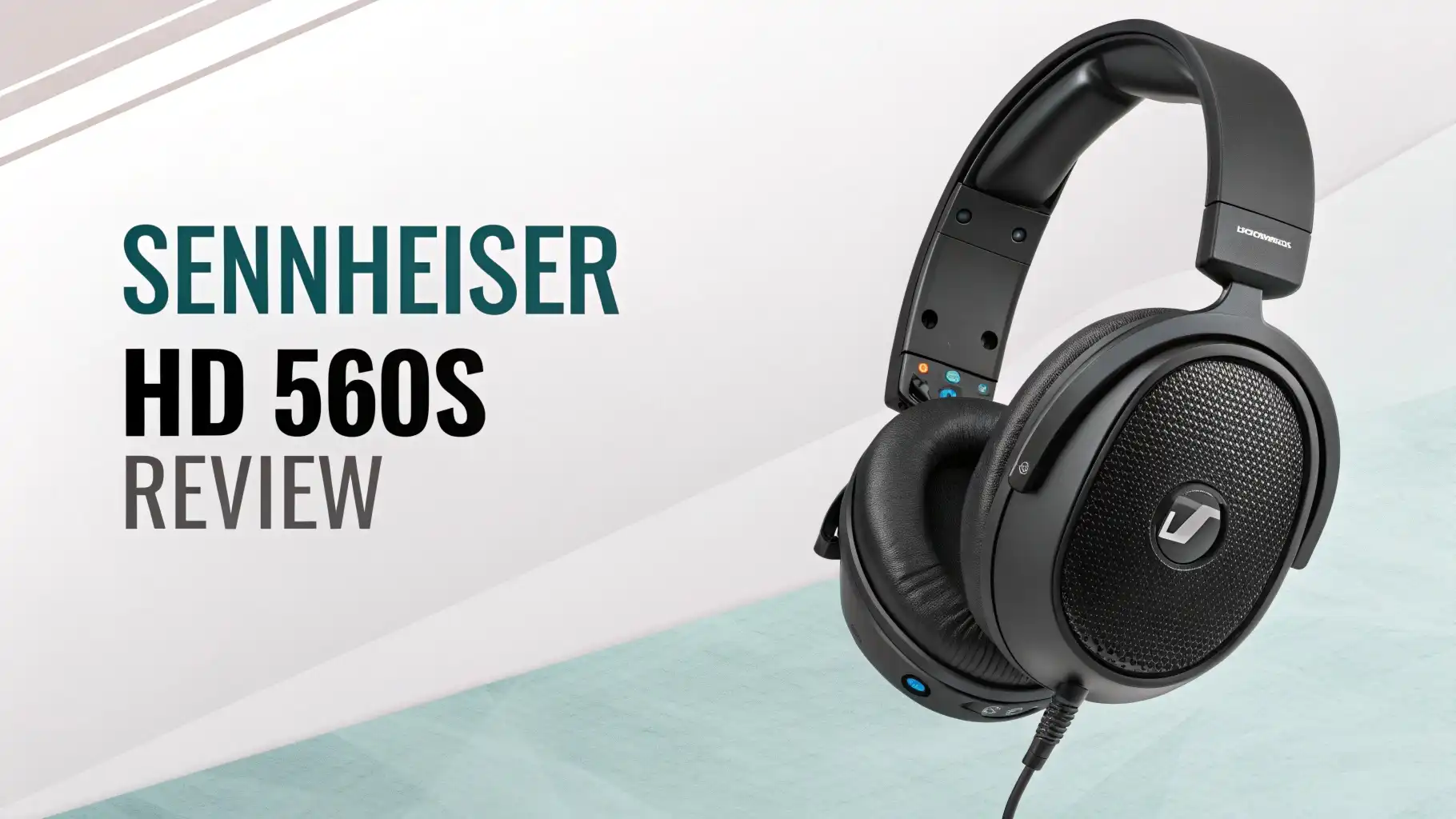
Sennheiser HD 560S Review 2026: A Comprehensive Guide
Hey there, music lovers and audio enthusiasts! Are you hunting for headphones that deliver studio-grade sound without demanding a second mortgage?
The Sennheiser HD 560S continues to dominate the audiophile scene in 2026, and today we’re diving deep into what makes these open-back wonders worth your attention.
Whether you’re mixing tracks, gaming for hours, or simply appreciating your favorite albums, these headphones might just be the perfect companion you’ve been searching for.
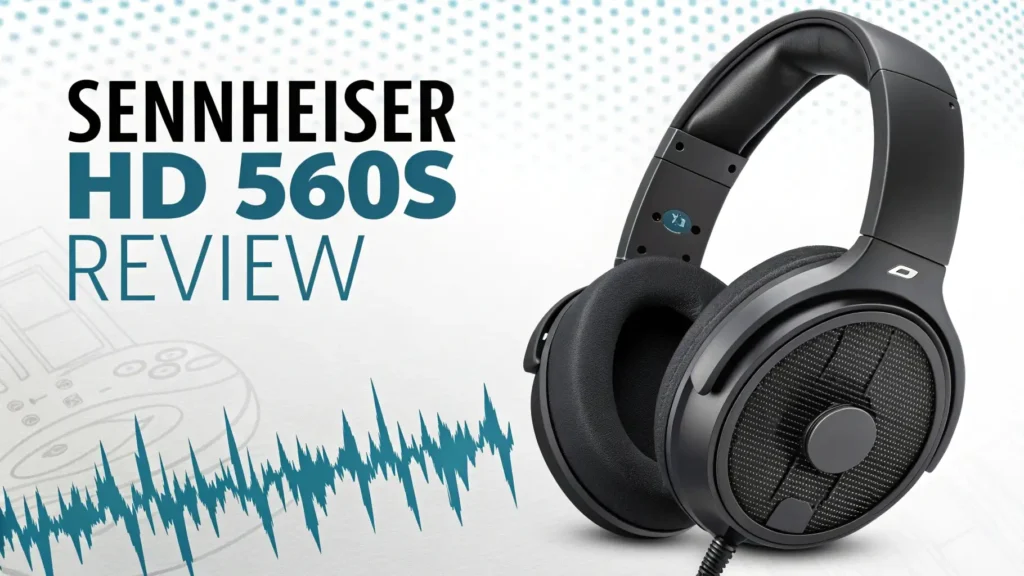
Key Takeaways:
- Outstanding Neutral Sound Profile: These headphones deliver reference-grade accuracy across the entire frequency spectrum, making them perfect for critical listening and professional audio work. The linear acoustics ensure you hear music exactly as the artist intended.
- Exceptional Value Proposition: Priced around $170-$235, the HD 560S punches well above its weight class, competing with headphones that cost significantly more. You get professional-level performance at an enthusiast-friendly price point.
- Open-Back Design Benefits: The open-back architecture creates a wide, natural soundstage that feels spacious and airy. This design choice enhances imaging and makes long listening sessions more enjoyable, though it means sound leakage is present.
- Comfortable for Extended Use: With lightweight construction and plush padding, these headphones remain comfortable during marathon listening sessions. The ergonomic design reduces fatigue, making them ideal for gamers and professionals alike.
- Versatile Application Range: From music production and mixing to gaming and casual listening, the HD 560S adapts beautifully to different use cases. The analytical sound signature works equally well for studio monitoring and entertainment purposes.

Sennheiser HD 560S Overview
The Sennheiser HD 560S represents the pinnacle of the HD 500 series lineup, bringing professional-grade audio to everyday users. Launched as a successor to the beloved HD 598 and HD 599 models, these headphones feature 38mm angled drivers with specially developed voice coils that push sonic boundaries.
The open-back design promotes natural sound wave propagation, while the E.A.R. (Ergonomic Acoustic Refinement) technology ensures optimal driver alignment for an expansive sound field. What sets the HD 560S apart is its commitment to neutrality.
Sennheiser engineered these headphones specifically for accuracy, offering dependable A/B comparisons that professionals demand. The all-black aesthetic looks sleek and modern, though the plastic construction keeps costs down and weight minimal.
Sound Quality That Impresses Audiophiles
Let’s talk about what really matters: how these headphones sound. The HD 560S delivers a remarkably neutral frequency response that audiophiles dream about. The bass extends deep without bloating, providing tight, controlled low-end that never overshadows the mids.
Unlike bass-heavy consumer headphones, these maintain clarity even during complex passages. The midrange shines with exceptional transparency, revealing subtle details and textures in vocals and instruments.
Acoustic guitars sound natural, piano notes ring true, and orchestral arrangements maintain proper separation. The treble response features crisp articulation without harshness, though some listeners notice a slight emphasis around 4kHz that adds presence.
Build Quality and Design Philosophy
The HD 560S embraces a predominantly plastic construction that prioritizes comfort over premium materials. While this might disappoint those expecting metal accents, the lightweight design pays dividends during extended use.
The headphones feel sturdy enough for daily use, though they lack the luxury feel of higher-end models. The entirely black color scheme looks professional and understated, fitting seamlessly into studio environments or home setups.
The ergonomic headband distributes weight evenly, while the padded earcups create a comfortable seal without excessive clamping force. Sennheiser includes a detachable 9.8-foot cable terminated with a 1/4-inch plug, plus a 3.5mm adapter for versatile connectivity.
The open-back grilles are clearly visible, showcasing the design philosophy while allowing proper airflow. Cable management feels practical, with enough length for desktop setups without excessive tangling.
Top 3 Alternatives for Sennheiser HD 560S


Comfort During Extended Listening Sessions
Comfort stands as one of the HD 560S’s strongest attributes. These headphones achieve that sweet spot between secure fit and gentle pressure, making them suitable for multi-hour sessions.
The plush velour earpads feel soft against skin while maintaining breathability, crucial for preventing heat buildup during intense gaming or long mixing sessions. The clamping force strikes an ideal balance.
Strong enough to keep the headphones stable during movement, yet gentle enough to avoid causing pressure headaches. Users with larger heads appreciate the adjustable headband flexibility, which accommodates different sizes without losing structural integrity.
The lightweight construction (approximately 240 grams) means you almost forget you’re wearing them. Unlike heavier studio monitors that cause neck strain, the HD 560S disappears after the first few minutes.
The open-back design contributes significantly to comfort by preventing the sealed-in feeling that closed-backs create. Your ears stay cooler, and the natural airflow reduces listener fatigue.
Gaming Performance and Spatial Audio
Gamers searching for competitive advantages will find the HD 560S surprisingly capable. The neutral sound signature benefits gaming by presenting audio cues without artificial enhancement.
Footsteps remain clear and directional, gunshots maintain proper weight, and environmental sounds create convincing atmospheres. The wide soundstage proves particularly valuable in first-person shooters and battle royale games.
Positional audio feels accurate, helping you pinpoint enemy locations with confidence. The imaging precision rivals gaming headsets costing significantly more, though without built-in microphones or RGB lighting.
Open-back design creates that spacious feel that enhances immersion in single-player adventures. Orchestral scores in RPGs sound magnificent, while dialogue clarity ensures you catch every story beat.
The analytical nature means you hear game audio as developers intended, revealing sound design nuances often masked by bass-heavy gaming headsets. The 120-ohm impedance requires decent amplification for optimal performance.
Console players might need external DAC/amp solutions, while PC users with quality motherboard audio should manage fine. The lack of wireless connectivity limits couch gaming scenarios, but the long cable provides freedom around desk setups.
Music Production and Studio Applications
Professional producers and mixing engineers recognize the HD 560S as legitimate monitoring tools. The linear acoustics provide honest feedback about your mix decisions, revealing problems rather than flattering flaws.
Bass translation becomes easier when your headphones don’t lie about low-end response. The neutral signature helps identify problematic frequencies during EQ sessions. You can trust these headphones for critical listening decisions, knowing they represent sources accurately.
Mastering engineers appreciate the detail retrieval, which exposes compression artifacts and dynamic range issues. The open-back design reduces ear fatigue during long production sessions, crucial when spending hours perfecting arrangements.
The wide frequency response extends from 6Hz to 38kHz, capturing subsonic details and air that closed-back alternatives might miss. A/B comparisons feel reliable with the HD 560S. Switching between different masters or comparing reference tracks provides consistent results, essential for quality control work.
The resolving nature helps during vocal editing and instrument placement, where precision matters most. Budget considerations make these attractive for home studio setups.
You gain professional-level monitoring without investing in ultra-expensive reference headphones. Many bedroom producers discover these outperform significantly pricier alternatives, especially when paired with quality interfaces.
Comparison With HD 599 and HD 6XX
Understanding how the HD 560S fits within Sennheiser’s ecosystem helps informed purchasing decisions. Compared to the HD 599, the 560S offers superior bass extension and tighter low-end control.
The 599 sounds warmer and more colored, appealing to casual listeners but less suitable for analytical work. The HD 560S presents a more neutral, reference-focused sound signature that professionals prefer. It reveals more detail and layers better during complex passages.
The 599 wins in pure comfort, with slightly softer padding and relaxed fit, but sacrifices some accuracy. Against the legendary HD 6XX (based on HD 650), comparisons get interesting. The 6XX delivers that famous Sennheiser warmth with emphasized midrange intimacy.
Vocals sound lush and engaging, though the soundstage feels narrower. The HD 560S counters with wider staging and more linear response, trading emotional engagement for analytical precision.
The 6XX requires more amplification power due to higher impedance, while the 560S drives more easily from portable sources. Budget considerations favor the 560S significantly, often costing $50-100 less than the 6XX.
For mixing and production work, the 560S edges ahead with its honest sound. For pure musical enjoyment and vocal-centric genres, the 6XX’s warmth might prove more satisfying. Both represent excellent values in their respective sonic philosophies.
Connectivity and Technical Specifications
The HD 560S ships with practical connectivity options suited for desktop use. The included 6.35mm (1/4-inch) plug connects directly to professional audio interfaces and amplifiers, while the provided 3.5mm adapter enables smartphone and laptop compatibility.
The detachable cable design adds longevity, allowing replacements without replacing entire headphones. Technical specifications reveal thoughtful engineering choices. The 120-ohm impedance sits in a sweet spot, driving adequately from quality motherboard audio while scaling beautifully with dedicated amplification.
Sensitivity measures at 110 dB SPL (1 kHz / 1 V RMS), meaning moderate power produces satisfying volumes. Frequency response spans an impressive 6Hz to 38kHz, capturing subsonic rumble and ultrasonic air that adds realism.
Total harmonic distortion remains exceptionally low (under 0.05% at 1kHz/100dB SPL), ensuring clean reproduction without audible artifacts. The 38mm drivers might seem modest compared to larger competitors, but Sennheiser’s voice coil engineering maximizes performance.
The angled driver alignment creates that E.A.R. technology advantage, improving soundstage width beyond what driver size suggests. Cable length measures a generous 9.8 feet (3 meters), providing flexibility for desktop arrangements without requiring extensions.
The straight cable design prevents tangling better than coiled alternatives, practical for daily use. Weight clocks in at approximately 240 grams, light enough for comfort yet substantial enough to feel quality.
Value Proposition in Current Market
Analyzing the HD 560S’s price-to-performance ratio reveals exceptional value. At around $170-235 depending on retailer sales, these headphones compete with models costing $300-400. The neutral sound signature matches reference headphones priced significantly higher, making them accessible to budget-conscious professionals.
The durability factor enhances long-term value. While plastic construction might seem cheap initially, the lightweight design reduces mechanical stress. Detachable cables mean you’re not discarding entire headphones when wires fail.
Replacement parts remain available, extending lifespan beyond typical consumer headphones. Comparing against direct competitors highlights advantages. The Beyerdynamic DT 990 Pro costs similarly but features more pronounced treble peaks that some find fatiguing.
The Audio-Technica ATH-R70x offers comparable neutrality but demands higher investment. The Philips SHP9600 costs less but sacrifices refinement and build quality. For home studio producers, the HD 560S eliminates the need for multiple headphone investments.
They serve monitoring, mixing, and casual listening duties equally well, consolidating your headphone collection. Gamers gain audiophile performance without paying gaming brand premiums.
The versatility means these headphones adapt to changing needs over years of ownership. Resale value holds steady too, with used units commanding strong prices in secondary markets, evidence of lasting reputation and demand.
Ideal Use Cases and Target Audience
The HD 560S excels in specific scenarios while struggling in others. Understanding these sweet spots helps determine if they match your needs. Critical listening enthusiasts represent the primary audience, people who value accuracy over colored presentations and appreciate hearing music as recorded.
Home recording artists and bedroom producers find these perfect for mixing and mastering work. The honest feedback helps translate mixes across different playback systems, crucial for releasing professional-quality tracks.
Gamers seeking competitive advantages benefit from accurate positional audio and wide soundstage. The lack of microphone means pairing with external solutions, but the sonic advantages outweigh inconvenience for serious players.
Podcast editors and content creators appreciate the detail retrieval during editing sessions, helping identify audio issues before publishing. Classical music and jazz listeners discover these headphones reveal instrumental textures beautifully.
However, these aren’t ideal for everyone. Commuters need closed-back isolation, bass-heads prefer colored signatures, and casual listeners might find the analytical nature less immediately enjoyable.
What Could Be Better
Despite impressive strengths, the HD 560S shows room for improvement. The plastic construction feels less premium than competitors at similar price points. While functional, the materials lack the luxury touch that enhances ownership experience.
Some users wish for metal reinforcement in stress points. The fixed cable attachment, while replaceable, uses proprietary connections rather than standard plugs. Aftermarket cable options exist but remain limited compared to headphones using common connectors like 2.5mm or MMCX.
The absence of included carrying case disappoints, especially given the need to protect open-back drivers. A simple pouch would add value without significantly impacting cost. The clamping force, while generally comfortable, proves too tight for some users during initial break-in periods.
Build quality concerns surface occasionally in user reports. Headband cracking has been documented after extensive use, though not widespread enough to indicate systemic problems. Careful handling extends lifespan.
The treble response, while generally well-controlled, shows slight peaks that certain listeners find fatiguing during extended sessions. Individuals sensitive to upper-midrange energy might prefer the warmer HD 6XX alternative.
Maintenance and Longevity Tips
Proper care extends the HD 560S lifespan significantly. The detachable cable represents the most vulnerable component. Gentle handling during connections prevents jack damage, while avoiding sharp bends near plugs reduces wire fatigue.
Consider purchasing backup cables before originals fail. The velour earpads accumulate oils and debris over time. Gentle brushing with soft bristles removes surface dirt, while spot cleaning with damp cloths handles stubborn stains.
Sennheiser sells replacement pads when wear becomes excessive, typically after 2-3 years of heavy use. Store headphones properly when not in use. A simple hook or stand prevents cable stress and maintains headband shape.
Avoid leaving them where they might be sat on or stepped on, as the plastic construction won’t survive significant impact. The open-back grilles require occasional attention. Dust accumulation affects sound quality over months.
Compressed air blasts clean drivers without physical contact, maintaining performance without risking damage. Avoid moisture exposure despite open-back design. While more resilient than closed-backs to humidity, the drivers and internal components still suffer from liquid contact.
Keep drinks away during listening sessions to prevent accidents. Monitor the headband padding for compression. While durable, the foam eventually loses cushioning. Replacing padding restores comfort and can be accomplished with basic DIY skills or professional service for those less confident with repairs.
Final Verdict: Should You Buy the HD 560S?
After extensive analysis, the Sennheiser HD 560S earns strong recommendations for specific user profiles. Audiophiles seeking neutral, reference-grade sound at accessible prices will struggle finding better value.
The honest sonic presentation serves music appreciation and professional applications equally well. Home studio producers and mixing engineers gain legitimate monitoring tools without depleting budgets.
These headphones reveal mix problems clearly, helping achieve professional results in bedroom setups. The accuracy justifies the investment for anyone serious about audio production.
Gamers prioritizing sound quality over convenience features discover competitive advantages. The wide soundstage and precise imaging enhance gameplay experiences beyond what gaming-specific headsets typically deliver.
However, potential buyers should acknowledge limitations. The open-back design limits portability to home use, the plastic build feels less premium than price suggests, and the analytical nature might not immediately satisfy listeners accustomed to bass-heavy signatures.
For those seeking musical engagement over accuracy, alternatives like the HD 6XX or warmer closed-backs might prove more satisfying. The HD 560S represents what matters most in headphones: exceptional sound quality at fair pricing.
They prove that audiophile performance doesn’t require luxury budgets, democratizing high-fidelity audio for enthusiasts worldwide. If honest sound reproduction aligns with your needs, these deserve serious consideration in 2026.
Frequently Asked Questions
Do the Sennheiser HD 560S require an amplifier to sound good?
The HD 560S features 120-ohm impedance, which means they work adequately with quality smartphone and laptop outputs but truly shine with dedicated amplification. You’ll get acceptable volume from most sources, but a proper headphone amp or audio interface unlocks superior dynamics and control.
Budget DAC/amp combos around $100 significantly enhance performance, revealing details and bass extension that underpowered sources cannot deliver properly.
Can I use the HD 560S for gaming without a microphone?
Absolutely! Many competitive gamers pair these with external microphones like Blue Yeti or dedicated gaming mics for superior audio quality. The open-back soundstage provides excellent positional awareness in shooters and battle royale games.
You sacrifice the convenience of integrated gaming headsets but gain audiophile-grade sound that reveals subtle audio cues your opponents might miss. The trade-off benefits serious gamers prioritizing performance.
How does sound leakage affect practical use with the HD 560S?
The open-back design means significant sound leakage in both directions. People nearby will hear your music clearly at moderate volumes, and external noise enters freely. This eliminates commuting or office use but proves perfect for quiet home environments. The design choice prioritizes soundstage width and natural presentation over isolation, appropriate for private listening spaces where disturbing others isn’t a concern.
Are replacement parts available if something breaks?
Sennheiser maintains good support for replacement components. You can purchase new earpads, cables, and headband padding through official channels and third-party suppliers.
The detachable cable design means you’re not discarding entire headphones when wires fail, a significant longevity advantage. The plastic construction means careful handling prevents most damage, but parts availability provides peace of mind for long-term ownership.
What music genres sound best on the HD 560S?
The neutral signature means these headphones don’t favor specific genres but reproduce all music accurately. Classical, jazz, and acoustic genres particularly shine, revealing instrumental textures beautifully.
Electronic and hip-hop work well despite the neutral bass response, as you hear production details clearly. Rock and metal benefit from the clarity and separation. Bass-heavy genres might feel less impactful compared to colored headphones, but the tight, controlled low-end provides accuracy over exaggeration.