RØDE NT1 5th Gen Review 2026: Is It Worth the Hype?
So you want to level up your audio game in 2026? You clicked on the right article. The RØDE NT1 5th Generation has been making serious waves in the recording world. This microphone promises studio quality sound with a twist. It works with both XLR and USB connections. Yes, you read that right. One mic, two ways to connect.
I spent weeks testing this microphone. I recorded vocals. I captured acoustic instruments. I even used it for podcasting. The results surprised me in the best way possible.
This review covers everything you need to know before buying the NT1 5th Gen. We will look at sound quality, build materials, features, and real world performance.
Key Takeaways:
- Dual Connectivity System: The NT1 5th Gen features both XLR analog output and USB digital output. This means you can connect directly to your computer without an audio interface. You can also use traditional XLR connections with your existing studio setup. This flexibility makes it perfect for beginners and professionals alike.
- World Class Low Noise: RØDE claims this is the world’s quietest studio condenser microphone. It has only 4dBA of self noise. This ultra low figure ensures your recordings stay clean. Background hiss becomes a thing of the past. Your voice and instruments shine through clearly.
- 32 Bit Float Recording: When connected via USB, the microphone supports 32 bit float recording. This technology makes clipping nearly impossible. You can record loud sources without worrying about distortion. The dynamic range is simply massive.
- Premium Accessories Included: The package includes the SM6 shock mount with integrated pop filter. You also get both XLR and USB cables in the box. RØDE saves you from buying extra accessories separately.
- 10 Year Warranty: RØDE backs this microphone with an impressive 10 year warranty. This shows confidence in the build quality. You invest once and enjoy reliable performance for years.
- Revolution Preamp Technology: The internal preamp uses RØDE’s proprietary Revolution Preamp circuit. This delivers clean gain and low distortion. The signal stays pure from capsule to output.

Design and Build Quality
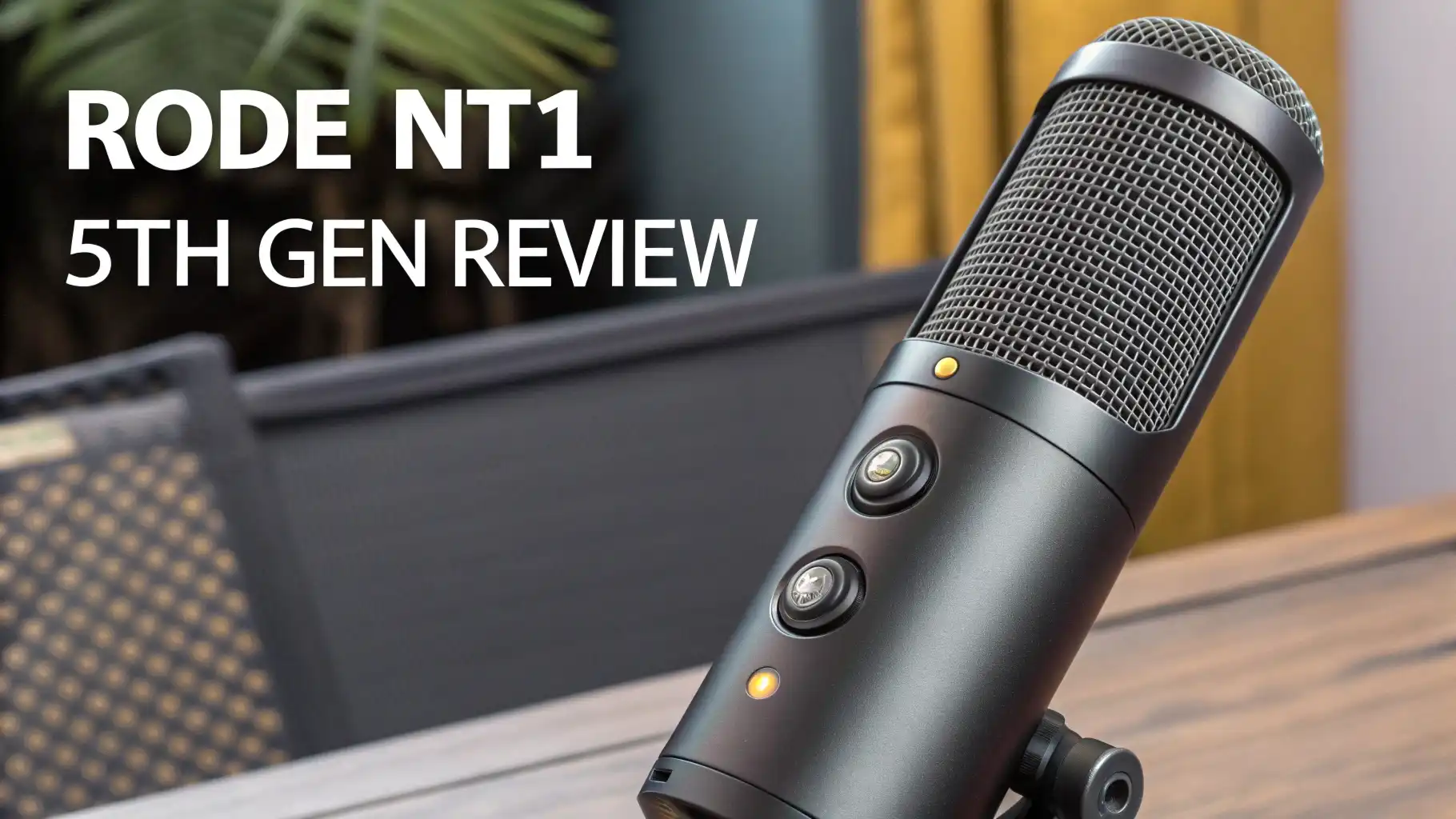
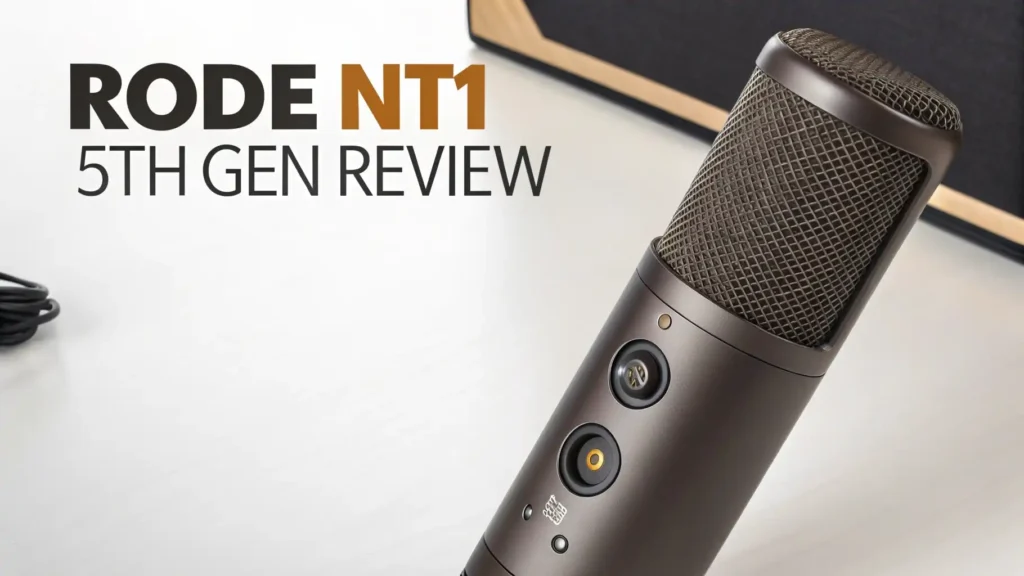
The RØDE NT1 5th Gen looks stunning. It features a sleek cylindrical body with a premium metal finish. You can choose between silver and black color options. Both versions have the same internal components and performance.
The microphone weighs 438 grams. This solid weight indicates quality materials. The body uses precision machined metal construction. It feels substantial in your hands. The mesh grille protects the capsule from dust and minor impacts.
RØDE positions the XLR output at the bottom of the microphone body. Right next to it sits the USB Type C port. This dual output design is clever. You choose your connection method without adapters or compromises.
The included SM6 shock mount deserves special mention. It holds the microphone securely during recording sessions. The integrated pop filter reduces plosive sounds effectively. You get professional accessories without extra purchases. The shock mount attaches to standard microphone stands easily.
Build quality matches or exceeds microphones costing twice as much. RØDE manufactures these units in their Australian facilities. Quality control remains strict throughout production.
Sound Quality and Performance
The NT1 5th Gen produces warm, detailed sound. The large diaphragm capsule captures vocals beautifully. It adds subtle warmth without coloring the sound too much. Clarity remains the star of every recording.
High frequencies sound smooth and natural. Some condenser microphones create harsh sibilance on vocals. The NT1 5th Gen avoids this problem. Female and male voices both sound flattering. The top end extends without becoming brittle.
Low end response stays tight and controlled. Bass instruments record with definition and punch. The cardioid pickup pattern rejects sound from the sides and rear. This helps isolate your source from room reflections.
The frequency response spans 20Hz to 20kHz. This covers the entire human hearing range. Musical instruments capture accurately across all registers. The maximum SPL of 142dB handles loud sources without distortion.
I tested the microphone on acoustic guitar recordings. The results impressed me greatly. String attack came through clearly. Body resonance sounded full and rich. The NT1 5th Gen captures acoustic instruments with studio level quality.
Dual Connect Technology Explained
The Dual Connect system sets the NT1 5th Gen apart from competitors. This feature gives you two microphones in one package.
Using the XLR output connects to traditional audio interfaces. You get all the benefits of professional studio signal chains. Outboard preamps and converters enhance the sound further. This method suits experienced engineers with existing equipment.
The USB connection simplifies everything for beginners. You plug directly into your computer. No audio interface required. RØDE Central software controls all USB functions. You adjust gain, enable high pass filter, and monitor latency settings.
32 bit float recording through USB eliminates clipping concerns. Traditional recording at 24 bit requires careful gain staging. Set the level too high and you get distortion. The 32 bit float format captures extreme dynamic range. You can fix the levels after recording in your DAW.
This technology benefits podcasters and streamers especially. Live broadcasts leave no room for retakes. The 32 bit float safety net saves problematic recordings.
Top 3 Alternatives for RØDE NT1 5th Gen


USB Mode Features and Software
RØDE Central software unlocks the full USB potential. This free application runs on Windows and Mac computers. It provides complete control over the microphone settings.
Gain adjustment happens within the software interface. You see visual level meters for monitoring input. The high pass filter removes low frequency rumble when enabled. This helps clean up recordings made in noisy environments.
Sample rate options include 48kHz and 96kHz. Higher sample rates capture more detail. Most projects work perfectly fine at 48kHz. Music production may benefit from 96kHz recording.
Latency monitoring lets you hear yourself while recording. The direct monitoring path has nearly zero delay. This makes it comfortable to record vocals and instruments. You perform naturally without distracting echo effects.
Firmware updates arrive through RØDE Central. The software checks for new versions automatically. This ensures your microphone stays current with improvements. RØDE actively develops new features and fixes.
Recording Vocals with the NT1 5th Gen
Vocal recording showcases this microphone’s strengths. The 4dBA self noise disappears during quiet passages. Whispered vocals remain clean and intelligible. Louder performances capture without harshness.
Position the microphone 6 to 12 inches from your mouth. This distance provides natural sound balance. Moving closer adds bass through proximity effect. Moving farther creates a more ambient character.
The included pop filter handles plosive consonants. Words with P and B sounds often cause problems. The integrated filter prevents these bursts from distorting recordings. You may want an additional pop filter for extreme close miking.
Room acoustics matter significantly with condenser microphones. The NT1 5th Gen picks up room reflections due to its sensitivity. Recording in treated spaces produces better results. Even simple acoustic panels make noticeable improvements.
For podcasting, the USB mode works brilliantly. You skip the audio interface complexity. Direct connection to your computer gets you recording quickly. The 32 bit float protection saves you from unexpected volume spikes.
Comparing XLR vs USB Sound Quality
Does the connection method affect sound quality? I tested both extensively. The differences exist but remain subtle.
XLR output through a quality preamp sounds slightly more detailed. High end audio interfaces add their own character. The analog signal path allows for coloration and warmth. Professional studios typically prefer this approach.
USB output sounds excellent for most applications. The internal analog to digital conversion performs admirably. RØDE engineers optimized this pathway carefully. The difference from XLR becomes hard to notice in final mixes.
Content creators and podcasters benefit most from USB mode. The convenience outweighs minor sonic differences. Your audience listens through phone speakers and earbuds. The USB quality exceeds their playback systems easily.
Music producers may prefer XLR for critical recordings. The option exists when you want maximum fidelity. Having both connections provides ultimate flexibility. You choose based on project requirements.
Package Contents and Accessories
RØDE includes everything needed to start recording. The retail package contains valuable accessories worth mentioning.
The SM6 shock mount isolates the microphone from vibrations. Desk movements and floor bumps create low frequency rumble. The shock mount suspension prevents these from reaching the capsule. Professional recordings require this isolation.
An integrated pop filter attaches to the shock mount arm. It swings into position in front of the microphone. The design looks elegant and functions effectively. One less stand or clamp clutters your setup.
XLR cable measures 3 meters in length. This professional quality cable connects to audio interfaces. Gold plated connectors ensure reliable signal transfer. You start recording immediately without buying cables.
USB Type C cable also measures 3 meters. This length reaches most computer setups comfortably. The cable supports the full USB data transfer rates. Both cables feel sturdy and well made.
A dust cover protects the microphone during storage. This soft pouch keeps dust away from the capsule. Small details like this show RØDE’s attention to quality.
Who Should Buy the NT1 5th Gen?
This microphone suits many different users. Let me break down the ideal buyers for this product.
Podcasters benefit enormously from the USB mode. Quick setup gets you recording episodes fast. The low noise floor keeps audio clean during quiet passages. Your voice sounds professional without extensive post processing.
Home studio musicians appreciate the dual connectivity. Start with USB to learn the basics. Graduate to XLR when you add an audio interface. The microphone grows with your skill level and equipment.
Streamers and content creators love the simplicity. One cable connects to your computer. RØDE Central software handles all adjustments. The 32 bit float protection saves streams from clipping disasters.
Voice over artists find the sound flattering for narration. Clarity and warmth combine perfectly. Long recording sessions stay comfortable. The low self noise captures subtle vocal performances.
Budget conscious professionals get excellent value. The included accessories add significant worth. Competing microphones require separate shock mount purchases. RØDE bundles everything together thoughtfully.
Potential Drawbacks to Consider
No product is perfect. The NT1 5th Gen has some limitations worth knowing.
Condenser sensitivity picks up background noise easily. Air conditioning hum, computer fans, and traffic all appear in recordings. You need a reasonably quiet recording space. Dynamic microphones reject background noise better.
The USB mode requires RØDE Central software. You cannot adjust settings without installing this application. Some users prefer hardware controls. The software dependency may frustrate certain workflows.
Large size makes the microphone less portable. It measures larger than many competing models. Traveling with the NT1 5th Gen requires careful packing. Smaller microphones fit backpacks more easily.
Price sits above entry level options. The Audio Technica AT2020 costs significantly less. Budget constrained buyers may find better value elsewhere. However, the included accessories offset the price difference somewhat.
No multipattern options limit versatility. The NT1 5th Gen offers only cardioid pickup. Some recording situations benefit from omnidirectional or figure 8 patterns. You need different microphones for those applications.
Final Verdict: Is the NT1 5th Gen Worth It in 2026?
The RØDE NT1 5th Generation earns my strong recommendation. It delivers exceptional sound quality at its price point. The dual connectivity system provides genuine flexibility. Build quality matches professional studio standards.
The 4dBA self noise specification impresses constantly. This ultra quiet performance benefits every recording situation. Your productions sound cleaner and more professional. Background hiss no longer distracts listeners.
32 bit float recording through USB changes the game. Beginners no longer worry about clipping. This safety net saves countless recordings from disaster. The technology justifies choosing USB over cheaper alternatives.
Included accessories add tremendous value. The SM6 shock mount alone costs significant money separately. RØDE bundles everything for a complete recording solution. You buy once and start creating immediately.
The 10 year warranty demonstrates RØDE’s confidence. This Australian company stands behind their products firmly. You invest in equipment lasting many years. The NT1 5th Gen represents smart long term value.
For podcasters, musicians, voice over artists, and streamers, this microphone deserves serious consideration. It competes with more expensive alternatives effectively. The combination of features, sound quality, and build creates a compelling package.
Frequently Asked Questions
Is the RØDE NT1 5th Gen good for beginners?
Yes, the NT1 5th Gen works excellently for beginners. The USB connection eliminates the need for an audio interface. You connect directly to your computer and start recording. The 32 bit float technology prevents clipping mistakes. RØDE Central software makes adjustments simple and intuitive.
Can I use the NT1 5th Gen for gaming and streaming?
Absolutely. The microphone performs great for gaming streams. USB connectivity provides simple setup with streaming software. The low self noise keeps your voice clear during gameplay. Many popular streamers use condenser microphones like this one.
Does the NT1 5th Gen need phantom power?
When using XLR connection, yes. The microphone requires 48V phantom power from your audio interface or preamp. When using USB connection, no external power is needed. The USB cable provides all necessary power from your computer.
How does the NT1 5th Gen compare to the original NT1?
The 5th Generation adds USB connectivity that the original lacks. It also features the 32 bit float recording capability. The capsule design evolved with improvements to the internal electronics. Sound character remains similar but the new version offers more flexibility.
What is the difference between silver and black NT1 5th Gen?
Only the color differs between versions. Internal components are identical. Sound quality and features match exactly. Choose the color that fits your studio aesthetic. Both versions include the same accessories and carry the same warranty.
Can I use the XLR and USB outputs at the same time?
No, you cannot use both outputs simultaneously. The microphone operates in either XLR mode or USB mode. You select the connection method based on your setup needs. Switching between modes requires changing cables and software settings.