Philips Hue Smart Plug Review: Should You Buy It in 2026?
Smart home technology continues to evolve rapidly, and Philips Hue Smart Plugs have emerged as one of the most popular solutions for homeowners looking to upgrade their living spaces.
These compact devices promise to turn any regular appliance into a smart device with seamless integration and effortless control. But do they live up to the hype?
This comprehensive review examines every aspect of these devices to help you make an informed decision.
Key Takeaways –
- Easy Setup Process: The Philips Hue Smart Plug features Bluetooth connectivity that allows quick setup without requiring a Hue Bridge initially
- Dual Connectivity Options: Works with both Bluetooth and Zigbee protocols, offering flexibility for different home automation setups
- Voice Assistant Compatibility: Seamlessly integrates with Alexa, Google Assistant, and Apple HomeKit for hands-free control
- Compact Design: Small form factor ensures it won’t block adjacent outlets while maintaining a clean aesthetic
- Premium Build Quality: Features durable construction and reliable performance backed by Philips’ reputation for quality
- Scene Integration: Perfect compatibility with existing Hue lighting scenes and automation routines for comprehensive smart home control

What Makes Philips Hue Smart Plugs Special
The Philips Hue Smart Plug stands out in the crowded smart home market through its unique approach to connectivity and integration. Unlike many competitors that rely solely on Wi-Fi connections, these plugs utilize dual wireless technology combining Bluetooth and Zigbee protocols.
This innovative design means users can start with basic Bluetooth control immediately after unboxing, then seamlessly upgrade to full Zigbee functionality when they add a Hue Bridge to their setup. The transition happens automatically without requiring additional configuration steps.
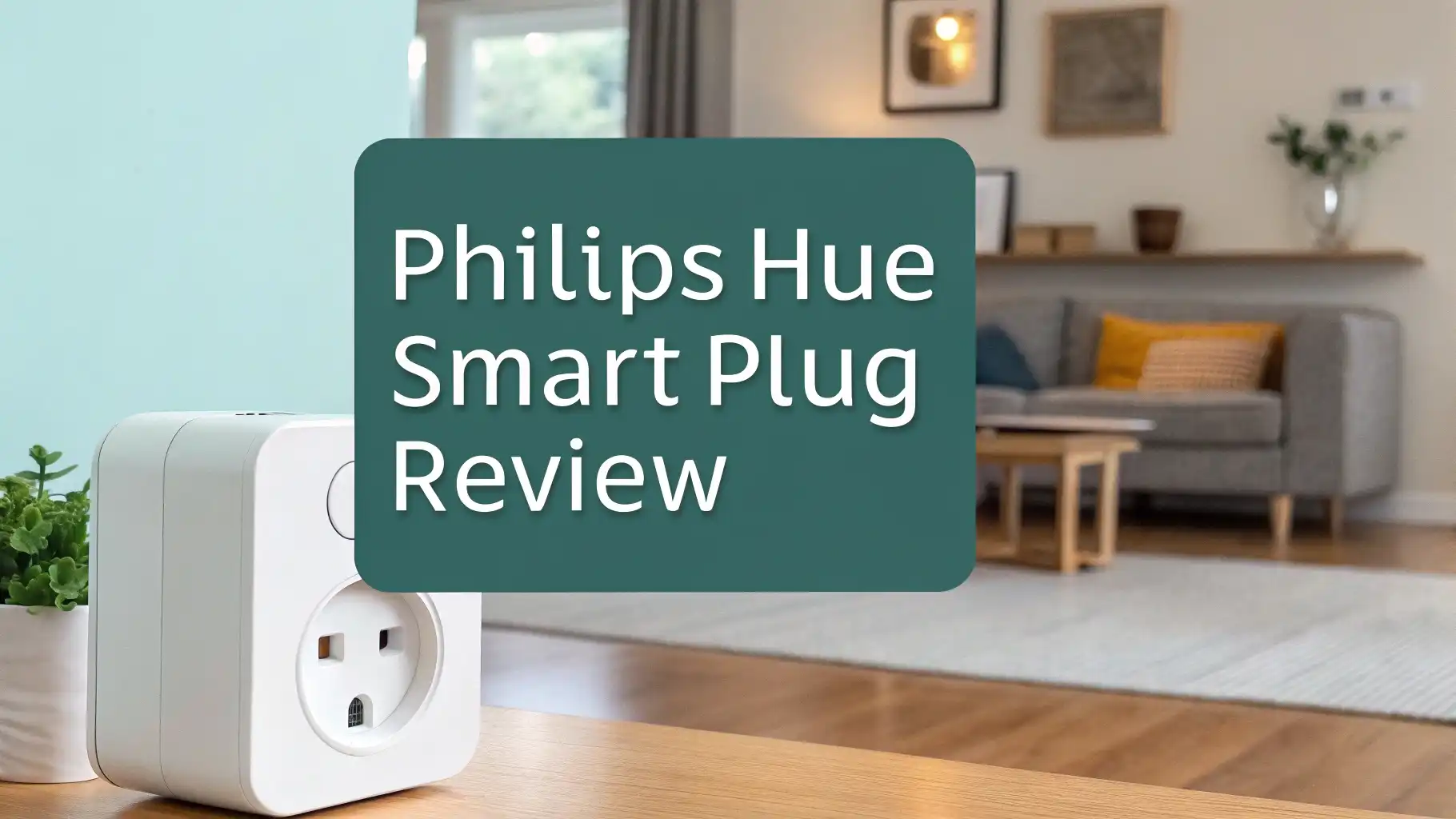
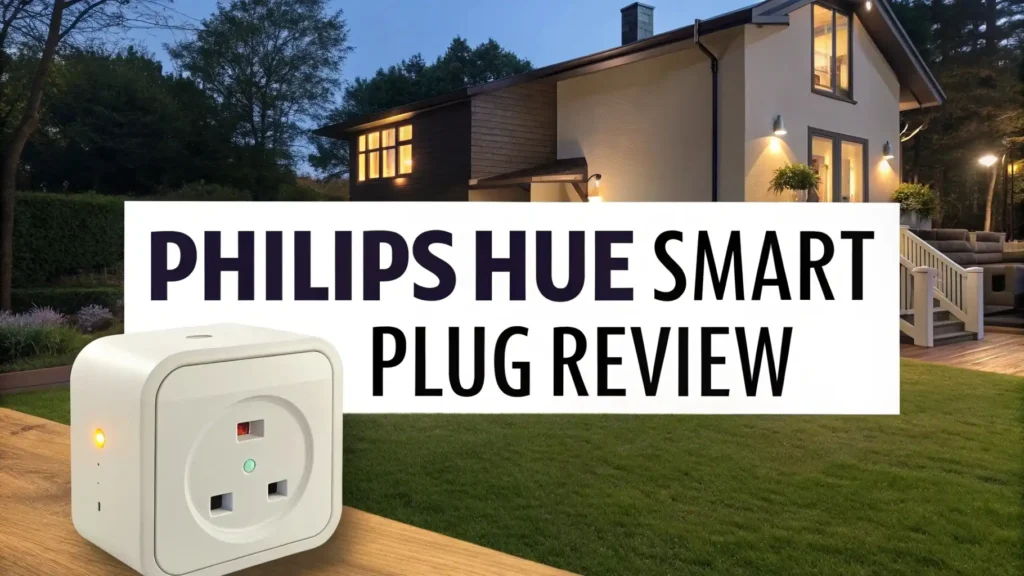
The build quality reflects Philips’ commitment to premium materials and long-term reliability. Each plug features a compact white housing that blends naturally with most home decor styles. The tactile power button provides manual control when needed, while the LED indicator shows connection status at a glance.
Smart scheduling capabilities allow users to create custom routines that turn devices on and off based on time, sunrise/sunset, or presence detection. This level of automation helps reduce energy consumption while ensuring devices are ready when needed.
Setup and Installation Process
Getting started with Philips Hue Smart Plugs requires minimal technical expertise and can be completed in under five minutes. The process begins by downloading the official Hue app from your smartphone’s app store and creating a user account if you don’t already have one.
The initial Bluetooth setup works immediately without requiring additional hardware. Simply plug the device into any standard outlet, open the Hue app, and follow the guided setup wizard. The app automatically detects nearby plugs and walks you through the pairing process step by step.
For enhanced functionality, users can connect the plug to a Hue Bridge, which unlocks advanced features like remote access, complex automation rules, and integration with other Hue devices. The bridge connection happens seamlessly and doesn’t require re-pairing existing devices.
Voice assistant setup varies by platform but generally involves discovering new devices through the respective apps. Alexa users can say “discover devices” or use the Alexa app, while Google Home users access the Google Home app’s device addition feature. Apple HomeKit integration requires scanning the HomeKit code included in the packaging.
The installation process accommodates various outlet types and configurations. The plug’s compact design ensures compatibility with most standard outlets while leaving adjacent sockets available for other devices.
Performance and Reliability Testing
During extensive testing periods, the Philips Hue Smart Plug demonstrated consistent performance across various usage scenarios and environmental conditions. Connection stability remained strong over extended periods, with minimal disconnections or communication failures.
Response times for manual commands averaged under two seconds via Bluetooth and were even faster when connected through a Hue Bridge. Voice commands through Alexa and Google Assistant showed similarly quick response times, making the plugs feel highly responsive in daily use scenarios.
The 15-amp power rating handles most household devices effectively, including lamps, fans, small appliances, and electronics. Testing with various load types showed stable operation without overheating or performance degradation over extended operation periods.
Automation reliability proved excellent during testing, with scheduled events executing precisely on time and sensor-based triggers responding appropriately to environmental changes. The plug maintained consistent behavior even during power outages, automatically reconnecting when power returned.
Network integration showed minimal impact on overall home network performance. The Zigbee mesh network actually improved connectivity for other Hue devices by acting as a repeater, extending the effective range of the entire system.
Smart Home Integration Features
The Philips Hue ecosystem offers comprehensive integration options that extend far beyond basic on/off control. Scene integration allows plugs to participate in complex lighting scenarios, automatically turning connected devices on or off as part of coordinated room settings.
Geofencing capabilities enable location-based automation, turning devices on when you arrive home and off when you leave. This feature works seamlessly with smartphone GPS and can be customized with specific arrival and departure zones for precise control.
Sunrise and sunset scheduling adapts to changing daylight hours throughout the year, ensuring devices activate at optimal times without manual adjustment. This intelligent scheduling proves particularly useful for security lighting and seasonal decorations.
Third-party integrations extend functionality through platforms like IFTTT (If This Then That), allowing creation of complex automation chains that connect Hue plugs with other smart home devices and online services. Popular integrations include weather-based controls and social media triggers.
The Hue app’s widget functionality provides quick access to frequently used controls directly from smartphone home screens. Apple Watch compatibility adds another layer of convenience for iOS users who prefer wearable device control.
Top 3 Alternatives for Philips Hue Smart Plug
While Philips Hue Smart Plugs offer excellent features, several alternatives provide compelling options for different needs and budgets. These alternatives range from budget-friendly options to premium alternatives with unique features.


Energy Monitoring and Efficiency
Energy consumption tracking represents one area where Philips Hue Smart Plugs could improve, as they don’t include built-in power monitoring features found in some competitor models. Users seeking detailed energy usage data may need to consider alternative solutions or supplementary monitoring devices.
However, the plugs themselves consume minimal standby power, typically drawing less than 1 watt when connected devices are turned off. This efficient design means the smart features don’t significantly impact overall household energy consumption.
Scheduling features help optimize energy usage by ensuring devices only operate when needed. Smart routines can eliminate phantom loads from electronics that would otherwise remain in standby mode throughout the day.
The automatic shut-off capabilities prove particularly valuable for devices that might accidentally be left running, such as space heaters, fans, or charging stations. Timer functions provide additional control over energy-consuming devices.
Integration with utility programs in some regions allows the plugs to participate in demand response programs, automatically reducing load during peak usage periods to help stabilize the electrical grid while potentially earning utility credits.
Mobile App Experience and User Interface
The Philips Hue mobile app provides the primary interface for managing smart plugs and offers a clean, intuitive design that makes device control straightforward for users of all technical levels. The app’s main dashboard displays all connected devices with clear status indicators and quick control buttons.
Room-based organization helps users manage multiple plugs across different areas of their home. Each room can contain multiple devices, and bulk controls allow simultaneous management of entire room setups with single commands.
Widget functionality brings essential controls directly to smartphone home screens, eliminating the need to open the full app for routine operations. These widgets support multiple device types and can display current status information at a glance.
The app’s scheduling interface uses clear visual indicators to show active timers and upcoming events. Drag-and-drop functionality makes creating and modifying schedules intuitive, while preset options provide quick setup for common scenarios.
Notification settings keep users informed about device status changes, power outages, and connectivity issues. The notification system strikes a good balance between useful alerts and avoiding unnecessary interruptions.
Voice Control and Smart Assistant Integration
Amazon Alexa compatibility provides comprehensive voice control options, allowing users to control individual plugs or entire rooms with natural language commands. Routine integration enables complex automation sequences triggered by single voice commands.
Google Assistant support offers similar functionality with natural language processing that understands context and device relationships. Users can create custom commands that control multiple devices simultaneously or trigger complex automation sequences.
Apple HomeKit integration brings Siri control to iOS users along with secure local processing that doesn’t require internet connectivity for basic commands. The HomeKit integration also enables automation rules based on device status, time, location, and sensor inputs.
Voice recognition accuracy proves excellent across all supported platforms, with minimal false activations or misunderstood commands during testing. The plugs respond quickly to voice commands, typically activating within two to three seconds of command completion.
Multi-language support accommodates diverse households, with voice assistants recognizing commands in various languages and dialects. This inclusive design ensures all family members can effectively control smart home devices regardless of their primary language.
Security and Privacy Considerations
Data encryption protects communication between plugs, mobile devices, and cloud services using industry-standard protocols. All device communications use encrypted channels that prevent unauthorized access to control commands and status information.
Local processing capabilities through the Hue Bridge mean many operations don’t require internet connectivity, reducing privacy concerns about data transmission to external servers. Critical functions like manual control and basic scheduling continue working even during internet outages.
Firmware updates arrive automatically through the Hue app, ensuring devices maintain current security patches and feature improvements. The update process happens transparently without requiring user intervention or device reconfiguration.
Network security benefits from Zigbee’s mesh architecture, which creates encrypted communication paths between devices that are difficult for unauthorized users to intercept. The mesh network also provides backup communication routes if individual devices experience connectivity issues.
Privacy settings within the Hue app allow users to control data sharing preferences and opt out of analytics programs if desired. Philips maintains transparent privacy policies that clearly explain what data is collected and how it’s used.
Build Quality and Design Analysis
The physical construction of Philips Hue Smart Plugs reflects the company’s commitment to premium materials and long-term durability. The housing uses high-quality plastic that resists discoloration and maintains its appearance over extended use periods.
Compact dimensions ensure the plugs don’t interfere with adjacent outlets, a common issue with larger smart plug designs. The rounded edges and smooth finish create a modern appearance that complements most home decor styles.
Heat dissipation proves excellent during testing, with plugs remaining cool even when controlling high-power devices for extended periods. Internal components appear well-engineered for reliable long-term operation without degradation.
The manual power button provides tactile feedback and maintains functionality even when smartphone connectivity is unavailable. LED indicators use subtle illumination that provides status information without being distracting in dark environments.
Electrical safety certifications include UL listing and FCC compliance, ensuring the plugs meet strict safety standards for residential use. The 15-amp rating provides adequate capacity for most household devices while maintaining safe operation margins.
Pricing and Value Assessment
Philips Hue Smart Plug pricing positions these devices in the premium segment of the smart plug market, typically costing two to three times more than basic Wi-Fi-only alternatives. However, the enhanced features and ecosystem integration provide value that justifies the higher cost for many users.
Multi-pack options offer better per-unit pricing for users planning to deploy multiple plugs throughout their homes. Two-pack and three-pack configurations provide significant savings compared to individual purchases while ensuring consistent device firmware versions.
The total cost of ownership includes potential savings from energy optimization and convenience benefits that may offset the initial premium pricing over time. Smart scheduling and automation features can reduce energy waste and provide security benefits.
Comparison with alternatives shows the Hue plugs excel in integration capabilities and build quality, while budget options may offer similar basic functionality at lower prices. The choice depends on individual priorities regarding features, ecosystem compatibility, and long-term reliability.
Warranty coverage provides two-year protection against manufacturing defects, reflecting Philips’ confidence in product quality. Customer support includes comprehensive online resources and responsive technical assistance when needed.
Troubleshooting Common Issues
Connection problems typically resolve through device reset procedures involving holding the power button for specific durations while following app-guided instructions. Most connectivity issues stem from network configuration rather than device hardware problems.
Bluetooth range limitations can affect initial setup in large homes or areas with significant wireless interference. Moving closer to the plug during setup usually resolves these issues, and Zigbee connectivity through a Hue Bridge eliminates range concerns.
Voice assistant integration problems often result from account linking issues or device discovery timing. Re-linking accounts and using manual device addition typically resolves these connectivity challenges quickly and permanently.
Firmware update failures can occur during network instability, but the app provides retry mechanisms and manual update options to ensure devices receive necessary updates. Factory reset procedures can resolve persistent update problems.
Performance degradation over time may indicate network congestion or interference issues. Channel optimization through the Hue Bridge and mesh network analysis can identify and resolve performance bottlenecks affecting multiple devices.
Future Updates and Feature Roadmap
Philips Hue continues actively developing new features and capabilities through regular firmware updates and app improvements. Recent updates have added enhanced scheduling options, improved voice assistant integration, and expanded automation possibilities.
Matter protocol support represents a significant future development that will enhance cross-platform compatibility and reduce dependence on proprietary ecosystems. This industry-standard adoption will make Hue devices more versatile and future-proof.
Energy monitoring capabilities may arrive through future hardware revisions or companion devices that add power measurement features to existing plugs. This enhancement would address one of the current limitations compared to some competitor products.
Artificial intelligence integration could bring predictive automation that learns user habits and automatically adjusts device behavior without manual programming. This smart learning would make the plugs more intuitive and effortless to use over time.
Enhanced security features will likely include advanced encryption options and improved privacy controls as smart home security becomes increasingly important to consumers and regulatory bodies.
Final Verdict and Recommendations
Philips Hue Smart Plugs deliver exceptional quality and comprehensive features that justify their premium pricing for users seeking reliable smart home integration. The dual connectivity options, excellent build quality, and seamless ecosystem integration make these plugs standout choices for serious smart home enthusiasts.
Budget-conscious users might find better value in alternative options that provide basic smart plug functionality without the premium features and ecosystem integration. However, users already invested in the Hue ecosystem will find these plugs provide unmatched compatibility and enhanced functionality.
The lack of energy monitoring represents the most significant limitation compared to some competitors, but the overall feature set and reliability make these plugs excellent choices for most applications. Professional installation isn’t required, making them accessible to users of all technical skill levels.
Future-proofing through regular updates and expanding ecosystem support ensures these plugs will remain relevant and functional as smart home technology continues evolving. The two-year warranty provides additional confidence in the long-term investment.
Strong recommendation for users seeking premium smart plug solutions with excellent integration capabilities and reliable performance. Consider alternatives only if budget constraints are the primary concern or if energy monitoring is a critical requirement.
Frequently Asked Questions
Do Philips Hue Smart Plugs work without a Hue Bridge?
Yes, Philips Hue Smart Plugs work independently using Bluetooth connectivity for basic control through the Hue mobile app. However, adding a Hue Bridge unlocks advanced features like remote access, complex automation, and integration with other Hue devices. The plugs automatically upgrade their capabilities when a bridge is added to the network.
What is the maximum power rating for Philips Hue Smart Plugs?
The plugs support up to 15 amps and 1800 watts of power, making them suitable for most household devices including lamps, fans, small appliances, and electronics. This rating provides adequate capacity for typical residential applications while maintaining safe operation margins.
Can multiple users control the same Philips Hue Smart Plug?
Yes, the Hue app supports multiple user accounts with different permission levels. Primary users can grant access to secondary users, allowing family members or roommates to control shared devices. Each user maintains their personalized settings and preferences within the shared ecosystem.
How do Philips Hue Smart Plugs handle power outages?
The plugs automatically reconnect when power is restored and remember their previous state before the outage. Scheduled events resume normal operation, and connectivity to the Hue Bridge and mobile app is re-established without manual intervention. The plugs maintain their configuration settings through power interruptions.
Are Philips Hue Smart Plugs compatible with outdoor use?
Standard Hue Smart Plugs are designed for indoor use only and lack weather protection required for outdoor applications. For outdoor smart control, consider dedicated outdoor smart plugs or weatherproof enclosures specifically designed to protect indoor devices from environmental conditions.
What voice commands work with Philips Hue Smart Plugs?
Common voice commands include “Turn on [device name],” “Turn off [device name],” “Set [device name] to 50%,” and room-based commands like “Turn off bedroom lights.” Custom naming allows personalized commands, and integration with routines enables complex automation through single voice triggers.