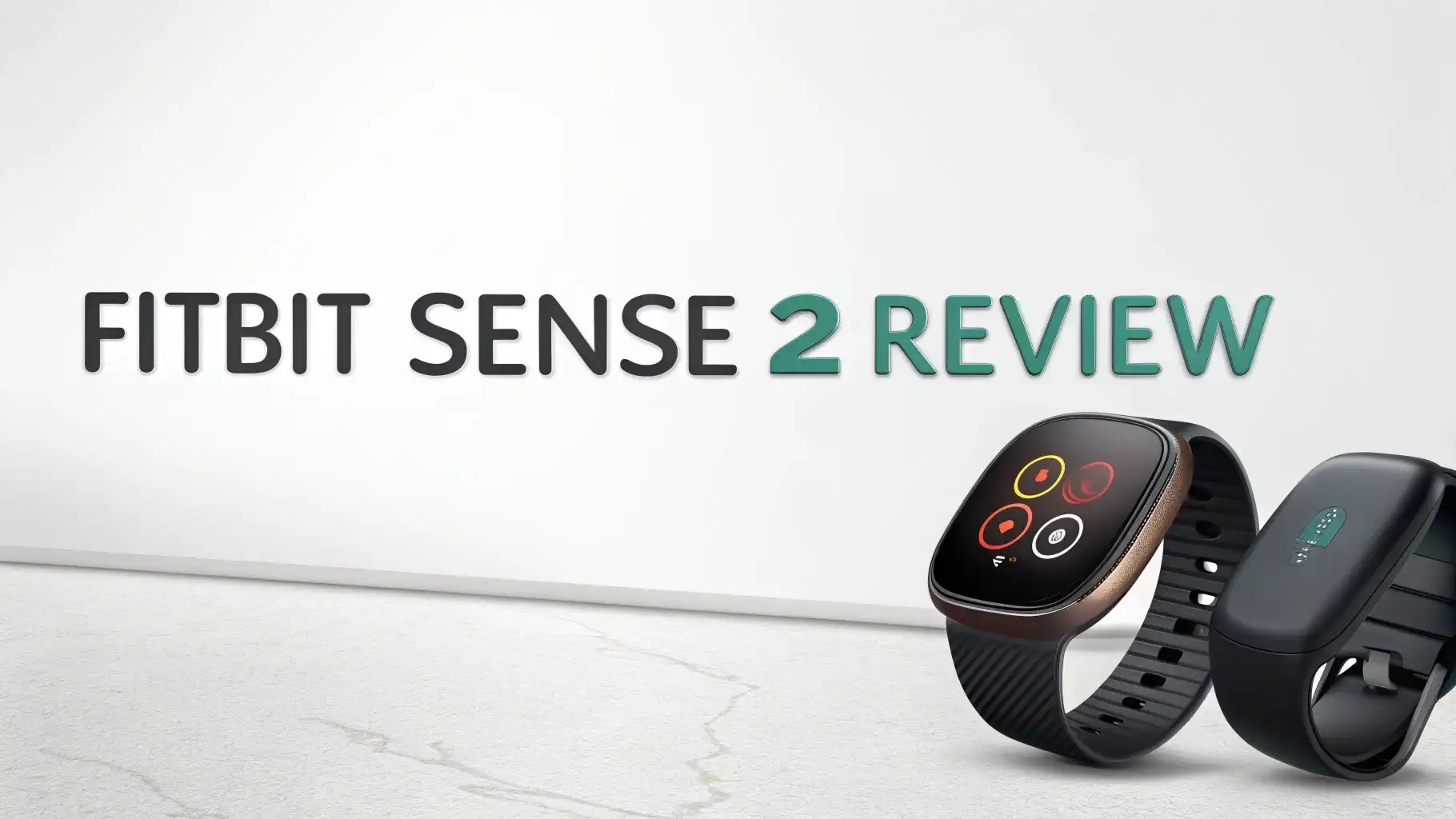
Fitbit Sense 2 Review: Is This Worth Your Money in 2026?
The Fitbit Sense 2 promises to be your personal health coach, stress manager, and fitness tracker all wrapped into one sleek package. But does it actually deliver on these bold claims, or is it just another overpriced gadget that will collect dust on your nightstand?
I’ve spent considerable time testing this health-focused smartwatch, and I’m ready to share the good, the bad, and everything in between.
Whether you’re a fitness enthusiast, someone managing stress, or just curious about tracking your health metrics, this review will help you decide if the Sense 2 deserves a spot on your wrist.

Key Takeaways:
- Health Tracking Powerhouse: The Sense 2 offers comprehensive health monitoring including continuous heart rate tracking, ECG functionality, skin temperature monitoring, and stress management tools through its innovative Body Response feature.
- Battery Life Champion: Unlike many smartwatches that barely last a day, the Sense 2 delivers 6+ days of battery life on a single charge, making it perfect for extended wear without constant charging interruptions.
- Comfort Meets Style: The lightweight aluminum case and soft silicone bands ensure all-day comfort, while the sleek design transitions smoothly from gym sessions to business meetings.
- Smart Notifications Simplified: While not as feature-rich as Apple Watch, the Sense 2 provides essential smartphone notifications, call handling, and voice assistant support without overwhelming you with unnecessary apps.
- Premium Membership Consideration: Many advanced features require a Fitbit Premium subscription ($9.99/month), which adds to the overall cost but unlocks personalized health insights and guided programs.

What Makes the Fitbit Sense 2 Special
The Fitbit Sense 2 stands out in the crowded smartwatch market with its health-first approach. This device focuses less on being a mini smartphone on your wrist and more on being your personal wellness companion. Google owns Fitbit now, and you can see their influence in the refined software experience.
The watch features a 1.58-inch AMOLED display that’s bright, crisp, and easy to read even in direct sunlight. The screen resolution sits at 336×336 pixels, which delivers sharp text and vibrant colors. The always-on display option means you can glance at your stats without raising your wrist.
What really sets this watch apart is the continuous electrodermal activity sensor. This advanced technology monitors your body’s stress responses throughout the day without you needing to do anything. The watch tracks tiny electrical changes in your skin that indicate stress, giving you real-time insights into your body’s stress patterns.
Top 3 Alternatives for Fitbit Sense 2
![Apple Watch SE 3 [GPS 40mm] Smartwatch with Starlight Aluminum Case with Starlight Sport Band - S/M. Fitness and Sleep Trackers, Heart Rate Monitor, Always-On Display, Water Resistant](https://gadgetgallery.blog/wp-content/plugins/aawp/public/image.php?url=YUhSMGNITTZMeTl0TG0xbFpHbGhMV0Z0WVhwdmJpNWpiMjB2YVcxaFoyVnpMMGt2TXpGWmFWUmllVEJ3VDB3dVgxTk1NVFl3WHk1cWNHYz18MTc3NjAzNTI2Ng=)
![Samsung Galaxy Watch 7 40mm Bluetooth AI Smartwatch w/Energy Score, Wellness Tips, Heart Rate Tracking, Sleep Monitor, Fitness Tracker, 2024, Cream [US Version, 1Yr Manufacturer Warranty]](https://gadgetgallery.blog/wp-content/plugins/aawp/public/image.php?url=YUhSMGNITTZMeTl0TG0xbFpHbGhMV0Z0WVhwdmJpNWpiMjB2YVcxaFoyVnpMMGt2TkRGTmIwRlpUR1pMYUV3dVgxTk1NVFl3WHk1cWNHYz18MTc3NjAzNTI2Ng=)

Design and Comfort: Built for All Day Wear
Fitbit nailed the comfort factor with the Sense 2. The watch is 10% thinner than its predecessor, measuring just 11.2mm in thickness. This slim profile means it slides easily under shirt cuffs and doesn’t catch on clothing.
The soft silicone bands feel gentle against your skin even during intense workouts. The bands use a standard quick-release mechanism, making it easy to swap them out for different colors or materials. Third-party band options are widely available at affordable prices.
The case material is aircraft-grade aluminum, which provides durability without adding unnecessary weight. The watch feels solid without being heavy. I wore this watch continuously for several weeks, and I often forgot it was on my wrist.
Water resistance is rated at 50 meters, making it suitable for swimming and showering. The watch automatically detects swimming activities and tracks your laps and duration. However, it’s not designed for high-speed water sports or diving.
Display Quality: Bright and Responsive
The AMOLED screen technology delivers deep blacks and vibrant colors that make watch faces and data displays pop. The display brightness automatically adjusts based on ambient lighting, though you can manually override this setting.
Touch responsiveness is excellent. Swipes and taps register accurately without lag. The screen supports multiple gestures including swiping between screens, tapping to select, and long-pressing for additional options.
The always-on display feature is a battery drain, but it’s incredibly convenient. You can customize what information appears when the screen is in always-on mode. Options include time, date, heart rate, steps, or a minimal display showing just the time.
Screen protection comes from Corning Gorilla Glass 3, which offers decent scratch resistance. After weeks of daily wear, my review unit showed no visible scratches. However, a screen protector is still recommended if you’re rough with your devices.
Health Tracking Features: Your Wellness Command Center
The Sense 2 packs an impressive array of health sensors. The PurePulse 2.0 technology provides continuous heart rate monitoring throughout the day and night. The sensor uses multiple LED lights and photodiodes to track blood flow through your wrist.
ECG functionality allows you to check your heart rhythm for signs of atrial fibrillation. The feature is FDA-cleared and incredibly easy to use. Simply open the ECG app, place your fingers on the watch corners, and hold still for 30 seconds. The app generates a PDF report you can share with your doctor.
The SpO2 sensor tracks your blood oxygen saturation levels during sleep. This feature helps identify potential breathing disturbances that might indicate sleep apnea or other respiratory issues. The data appears in the Fitbit app each morning.
Skin temperature monitoring tracks variations from your baseline temperature during sleep. Significant changes might indicate illness, stress, or hormonal changes. This feature proved particularly useful for tracking menstrual cycle patterns.
Stress Management: The Body Response Feature
Stress tracking on the Sense 2 represents a significant leap forward. The Body Response feature uses machine learning algorithms trained on thousands of data points to detect physical signs of stress in real-time.
The cEDA sensor monitors tiny electrical changes in your skin that correlate with stress responses. These changes happen before you consciously feel stressed, giving you early warning signs. The watch logs these events and displays them in the Fitbit app.
The app shows your stress patterns throughout the day. You can see which times, activities, or situations trigger stress responses. This awareness is the first step toward better stress management. The detailed graphs show stress spikes and calm periods.
Guided breathing sessions help you manage stress in the moment. The watch provides haptic feedback that guides your breathing rhythm. Sessions range from 2 to 5 minutes, making them easy to fit into busy schedules. The exercises use proven techniques like box breathing and 4-7-8 breathing.
Sleep Tracking: Understanding Your Rest
Sleep tracking is where Fitbit truly excels. The Sense 2 automatically detects when you fall asleep and tracks sleep stages including light, deep, and REM sleep. The algorithms are sophisticated enough to differentiate between actual sleep and quiet rest.
The Sleep Score provides a simple numerical rating from 0 to 100 based on sleep duration, quality, and restoration. Factors include time spent in each sleep stage, heart rate variability, and restlessness. A score above 80 indicates excellent sleep.
The Sleep Profile feature (requires Premium) analyzes a month of sleep data and assigns you a sleep animal. This might sound gimmicky, but it’s actually a clever way to communicate complex sleep patterns. Each animal represents specific sleep characteristics and provides personalized recommendations.
Smart Wake uses gentle vibrations to wake you during light sleep within a 30-minute window before your alarm. This helps you wake feeling more refreshed rather than groggy. The feature works surprisingly well, though it requires wearing the watch overnight with sufficient battery.
Fitness Tracking: More Than Just Steps
The Sense 2 offers over 40 exercise modes covering everything from running and cycling to yoga and dance. The watch automatically recognizes common exercises and starts tracking without manual input. SmartTrack technology detected my walks and runs with impressive accuracy.
Built-in GPS tracks outdoor activities without needing your phone. The GPS lock is reasonably fast, usually acquiring satellites within 30 seconds. However, GPS usage significantly impacts battery life, draining it about 3-4 times faster than normal use.
The Active Zone Minutes feature tracks time spent in different heart rate zones during exercise. Fitbit awards you double minutes for vigorous activity, encouraging higher-intensity workouts. The weekly goal is 150 Active Zone Minutes based on WHO physical activity recommendations.
Workout intensity maps (Premium feature) show your heart rate zones on a map of your route. This visualization helps identify which sections of your run or ride pushed you hardest. It’s useful for analyzing performance and planning future workouts.
Battery Life: A Week Between Charges
Battery performance is one of the Sense 2’s strongest selling points. Fitbit claims up to 6 days on a single charge, and real-world testing confirms this is achievable with moderate use.
My testing averaged 5 to 6 days with the following usage: always-on display disabled, continuous heart rate monitoring, sleep tracking every night, notifications enabled, and one 30-minute GPS workout every other day. Heavy GPS use reduces this significantly.
Enabling the always-on display reduces battery life by about 1-2 days. If you primarily use GPS tracking for multiple long workouts weekly, expect battery life closer to 3-4 days. The continuous EDA monitoring also impacts battery, though less dramatically than GPS or always-on display.
Charging is fast using the included magnetic charging cable. The watch reaches full charge in approximately 2 hours from completely dead. A quick 12-minute charge provides a full day of typical use, which is handy when you forget to charge overnight.
Fitbit App: Your Health Dashboard
The Fitbit app is polished, intuitive, and packed with features. The dashboard displays all your key metrics at a glance including steps, heart rate, sleep score, and Active Zone Minutes. You can customize which stats appear and their order.
Detailed graphs and charts let you dive deep into your data. You can view trends over days, weeks, months, or years. The app highlights achievements and patterns, helping you understand your health progress. The insights feature offers personalized observations based on your data.
The social features include challenges with friends, leaderboards, and achievement badges. You can send cheers to friends who hit milestones and join community challenges. These social elements add motivation, though you can ignore them if you prefer solitude.
Food logging requires manual entry, which is tedious. You can search a database of foods, scan barcodes, or create custom meals. Calorie estimates are reasonably accurate, though the feature feels less refined than dedicated nutrition apps like MyFitnessPal.
Fitbit Premium: Is It Worth the Extra Cost
Fitbit Premium costs $9.99 per month or $79.99 annually. New Sense 2 buyers receive a 6-month free trial, giving you ample time to evaluate whether Premium features justify the ongoing expense.
Premium unlocks the Daily Readiness Score, which I found genuinely useful for optimizing workout timing. The score helped me avoid overtraining and identify when my body needed rest. This feature alone might justify the subscription for serious fitness enthusiasts.
Advanced sleep insights provide deeper analysis of your sleep patterns. The Sleep Profile assigns you a sleep animal and offers personalized tips. The detailed sleep stages breakdown shows exactly how long you spent in each stage throughout the night.
Guided programs cover fitness, nutrition, and mindfulness. These structured plans help you work toward specific goals like running a 5K, losing weight, or managing stress. The quality varies, but many programs are professionally produced and effective.
Workout videos include hundreds of classes covering cardio, strength, yoga, and more. While not as extensive as dedicated fitness streaming services like Peloton or Apple Fitness+, the variety is respectable. New content appears regularly.
Smart Features: Notifications and Voice Assistant
The Sense 2 offers basic smartphone connectivity including call, text, and app notifications. Notifications appear reliably with clear text that’s easy to read. You can customize which apps send notifications to your wrist.
Call handling allows you to accept or decline incoming calls from your watch. The watch includes a built-in speaker and microphone for Bluetooth calls when your phone is nearby. Call quality is acceptable for quick conversations, though it’s not as clear as using your phone directly.
Voice assistant support includes Amazon Alexa and Google Assistant. You can ask questions, set timers, control smart home devices, and more. The voice recognition works reasonably well in quiet environments but struggles with background noise.
The watch has no third-party app support, which is a significant limitation compared to Apple Watch or Wear OS devices. You’re limited to Fitbit’s built-in apps and features. This means no Spotify control, no mobile payments (outside of Fitbit Pay), and no customization through apps.
Accuracy: How Reliable Are the Measurements
Step counting accuracy is generally good, though no fitness tracker is perfect. The Sense 2 occasionally counted arm movements as steps, a common issue with wrist-worn devices. Overall accuracy is within 10% of manual counts in my testing.
Heart rate monitoring during rest and moderate activity is quite accurate, typically within 2-5 beats per minute of chest strap monitors. However, during high-intensity exercise with rapid heart rate changes, the optical sensor sometimes lags or loses accuracy.
Sleep tracking proved impressively accurate at detecting sleep and wake times. The sleep stage detection (light, deep, REM) aligned well with how I felt upon waking. However, there’s no way to verify sleep stage accuracy without polysomnography testing in a sleep lab.
GPS accuracy is decent for most recreational users. Routes typically match actual paths within 1-2% distance accuracy. However, GPS can drift in areas with tall buildings or dense tree cover. Competitive runners might prefer dedicated running watches with multi-band GPS for better precision.
Calorie burn estimates are just that—estimates. The calculations use your age, weight, height, gender, heart rate, and activity level. These estimates provide general guidance but shouldn’t be treated as absolute truth. Individual metabolism varies significantly.
The ECG feature correctly identified normal sinus rhythm in my testing. The FDA clearance provides confidence in its accuracy for detecting atrial fibrillation. However, it’s not a medical diagnostic tool and shouldn’t replace professional medical evaluation.
Pros: What the Sense 2 Gets Right
Outstanding battery life sets the Sense 2 apart from most smartwatches. A week between charges is liberating, especially for users who want continuous sleep tracking without nightly charging interruptions.
Comprehensive health tracking covers all the basics and adds advanced features like continuous stress monitoring and ECG. The variety of health metrics provides a holistic view of your wellbeing that few competitors match.
Comfortable lightweight design makes all-day and all-night wear feasible. The slim profile and soft bands feel good on the wrist without causing irritation or discomfort.
Excellent sleep tracking delivers detailed insights into sleep quality, stages, and patterns. The automatic detection and comprehensive metrics make it easy to understand and improve your sleep.
Intuitive Fitbit app organizes your health data clearly and provides actionable insights. The interface is user-friendly whether you’re a fitness novice or data enthusiast.
Water resistance allows worry-free swimming and showering. The automatic swim tracking works well and provides useful metrics like lap counting and stroke detection.
Cons: Where the Sense 2 Falls Short
No third-party apps is a major limitation. The closed ecosystem means you’re stuck with Fitbit’s built-in features without options for customization or expansion through apps.
Requires Premium for many features creates an ongoing cost beyond the initial purchase price. Important features like Daily Readiness Score and advanced sleep insights are locked behind the subscription paywall.
Limited smart features compared to full-featured smartwatches. The lack of app support, limited voice assistant functionality, and basic notification handling feel dated in 2026.
No on-board music storage forces you to carry your phone during workouts if you want music. This is a step backward from the original Sense and a disappointment for runners who prefer phone-free exercise.
Occasional accuracy issues during high-intensity exercise affect heart rate monitoring. While acceptable for general fitness tracking, serious athletes might find the accuracy insufficient for training purposes.
Proprietary charging cable means you need to carry a specific charger when traveling. Losing the cable requires purchasing a replacement since standard charging cables won’t work.
Frequently Asked Questions
Does the Fitbit Sense 2 work with iPhone?
Yes, the Fitbit Sense 2 works with iPhone running iOS 15 or later. You’ll get all the health and fitness tracking features, sleep monitoring, and notifications. However, some features like call answering only work with Android devices. The Fitbit app works identically on both iOS and Android for viewing your health data.
How long does the Fitbit Sense 2 battery last?
Fitbit claims up to 6 days of battery life, and real-world testing confirms 5-6 days with moderate use. This includes continuous heart rate monitoring, sleep tracking, notifications, and occasional GPS workouts. Heavy GPS use reduces battery life to 3-4 days. Enabling always-on display decreases battery life by 1-2 days.
Do you need Fitbit Premium for the Sense 2?
No, you don’t need Fitbit Premium to use the Sense 2. All core features work without a subscription including step counting, heart rate monitoring, sleep tracking, exercise tracking, and basic stress monitoring. However, Premium unlocks valuable features like Daily Readiness Score, advanced sleep insights, guided programs, and workout videos. New buyers get a 6-month free trial.
Can you answer calls on the Fitbit Sense 2?
Yes, but only with Android phones. The Sense 2 has a built-in speaker and microphone for Bluetooth calls when paired with Android devices. With iPhones, you can only see incoming call notifications and decline calls, but you cannot answer or conduct calls through the watch.
Is the Fitbit Sense 2 waterproof for swimming?
The Sense 2 is water-resistant up to 50 meters, making it suitable for swimming and showering. The watch automatically detects swimming activities and tracks laps, duration, and calories burned. However, it’s not designed for high-speed water sports or scuba diving.
How accurate is Fitbit Sense 2 heart rate monitoring?
The heart rate monitoring is generally accurate during rest and moderate exercise, typically within 2-5 beats per minute of chest strap monitors. However, accuracy decreases during high-intensity intervals when heart rate changes rapidly. The optical sensor can lag or lose accuracy during very intense workouts. For serious athletes requiring precise training data, a chest strap provides better accuracy.
Can you store music on the Fitbit Sense 2?
No, the Sense 2 does not support on-board music storage. This is a downgrade from the original Sense. You can control music playing on your connected smartphone, but you cannot download songs or playlists directly to the watch for phone-free listening during workouts.
Does the Fitbit Sense 2 have GPS?
Yes, the Sense 2 includes built-in GPS for tracking outdoor activities like running, cycling, and hiking without your phone. The GPS lock is reasonably fast, usually acquiring satellites within 30 seconds. However, GPS usage significantly drains the battery, reducing battery life from 6 days to approximately 3-4 days with frequent GPS workouts.
What is the difference between Fitbit Sense 2 and Versa 4?
The Sense 2 includes advanced health sensors that the Versa 4 lacks: ECG app for heart rhythm assessment, EDA sensor for stress monitoring with Body Response feature, and skin temperature monitoring. The Sense 2 also offers more detailed stress management tools. Otherwise, both watches share similar fitness tracking features, battery life, and design. The Sense 2 costs more but provides more comprehensive health insights.
Can you swim with the Fitbit Sense 2?
Yes, the Sense 2 is water-resistant to 50 meters and automatically tracks swimming workouts. The watch counts laps, tracks duration, and estimates calories burned during swim sessions. The water lock feature prevents accidental screen touches while swimming. Remember to rinse the watch with fresh water after swimming in chlorinated or salt water to prevent mineral buildup.