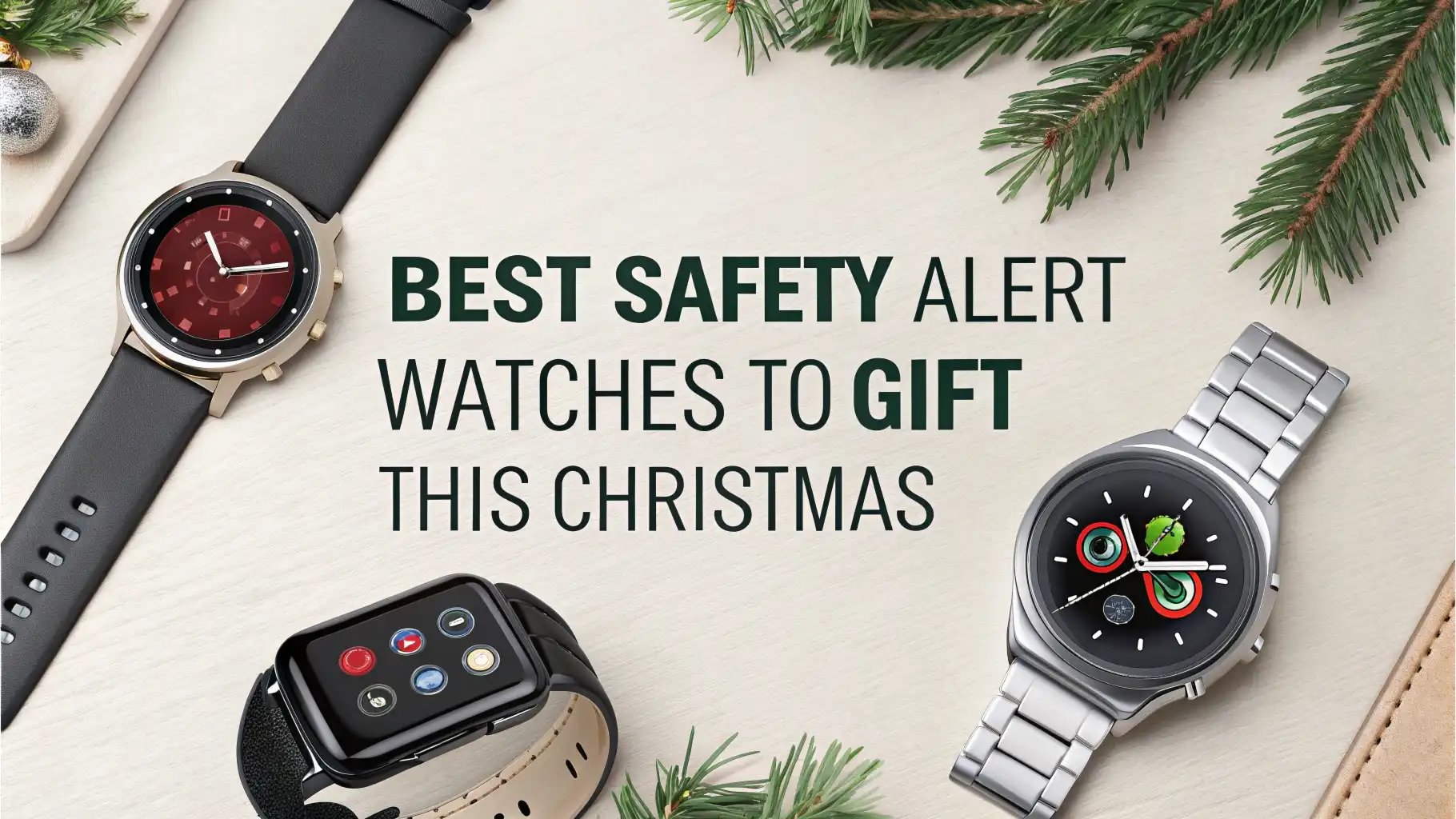
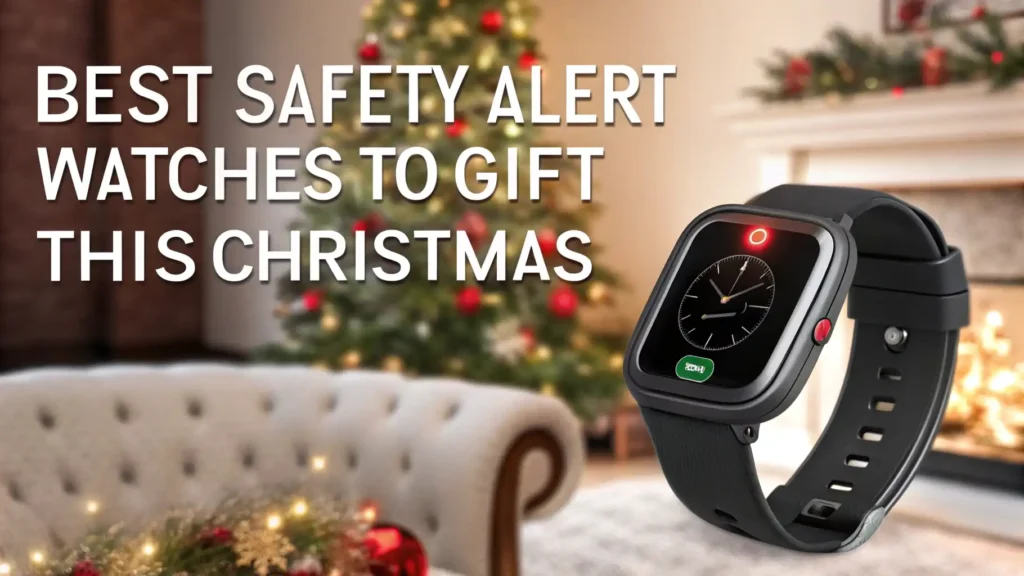
8 Best Safety Alert Watches to Gift This Christmas 2026
Living alone brings freedom and independence. But it also means you need to think about safety in new ways. What happens if you fall? Who do you call in an emergency?
These questions matter more during the holiday season when you might be alone while others celebrate with family.
This Christmas 2026, giving yourself or a loved one an emergency alert watch makes perfect sense. These devices combine modern technology with practical safety features.
Key Takeaways:
- Emergency alert watches offer critical protection for people living alone. These devices provide instant access to emergency services and loved ones when you need help most.
- Fall detection technology saves lives by automatically calling for help when you cannot. Modern watches use advanced sensors to detect hard falls and contact emergency services within 60 seconds.
- GPS tracking ensures rescuers find you quickly no matter where you are. Your exact location gets shared with emergency contacts and responders automatically.
- Monthly fees vary significantly between different models. Some watches require subscriptions starting at $38 per month while others offer one time purchase options with no recurring costs.
- Battery life impacts reliability in emergency situations. The best watches last 2 to 5 days on a single charge while some specialized medical alert devices run for weeks.
- Water resistance matters because falls often happen in bathrooms and showers. Look for watches with IP68 or higher water resistance ratings for complete protection.
Cellular Medical Alert Smart Watch with Emergency Button

This cellular medical alert watch puts safety first. You get 24/7 monitoring that connects directly to emergency services. The watch works independently without needing your phone nearby.
The emergency button sits right on the watch face. Press it and you connect to trained operators who can send help immediately. Fall detection technology works automatically in the background. If the watch detects a hard fall and you do not respond, it calls for help on its own.
Pros:
Affordable monthly monitoring at $39.95
Automatic fall detection activates without user input
GPS location sharing works nationwide
Water resistant design protects against splashes
Two way voice communication connects you to help
Cons:
Requires monthly subscription for monitoring services
Battery life shorter than non cellular models
Limited to US coverage areas
Screen smaller than mainstream smartwatches
Apple Watch Series 10 GPS Smartwatch
![Apple Watch Series 10 [GPS 46mm case] Smartwatch with Silver Aluminum Case with Denim Sport Band - M/L. Fitness Tracker, ECG App, Always-On Retina Display, Water Resistant](https://gadgetgallery.blog/wp-content/plugins/aawp/public/image.php?url=YUhSMGNITTZMeTl0TG0xbFpHbGhMV0Z0WVhwdmJpNWpiMjB2YVcxaFoyVnpMMGt2TXpGWE5WSkZWbXRSZUV3dVgxTk1NVFl3WHk1cWNHYz18MTc3NjAzNTA3Nw=)
Apple Watch Series 10 brings premium safety features wrapped in elegant design. This watch does more than track fitness. It serves as a comprehensive emergency response system.
Fall detection on Apple Watch uses sophisticated algorithms. The watch can tell the difference between a trip and a serious fall. When it detects a hard fall, it taps your wrist and sounds an alarm. You get 60 seconds to respond. If you stay motionless, the watch automatically calls emergency services and shares your location.
Crash detection extends protection to vehicle accidents. The watch senses sudden impacts and can alert authorities if you do not respond. Emergency SOS lets you hold the side button to quickly call help and alert your emergency contacts.
Pros:
Advanced fall and crash detection saves lives
ECG and blood oxygen monitoring included
Large bright always on display
Seamless iPhone integration
Premium build quality and design
Cons:
Expensive at $364 plus requires iPhone
Battery needs daily charging
Fall detection requires cellular or WiFi connection
No dedicated emergency button
SOUYIE Smart Watch with SOS Emergency Alert

SOUYIE Smart Watch delivers excellent value for safety conscious buyers. The 1.85 inch AMOLED screen shows everything clearly. You can read notifications and health data without squinting.
SOS emergency alert activates with a long press. The watch immediately contacts your preset emergency numbers. You can add multiple contacts so help always reaches someone. This feature works without monthly fees or subscriptions.
Heart rate and SpO2 monitoring happen automatically throughout the day. The watch tracks your blood oxygen levels and alerts you to concerning changes. Sleep monitoring helps you understand rest patterns and improve sleep quality.
Pros:
No monthly subscription fees required
Bright AMOLED display easy to read
Week long battery life with regular use
Compatible with Android and iPhone
Comprehensive health tracking features
Cons:
SOS alerts contact preset numbers not professional monitoring
Fall detection not as advanced as dedicated medical devices
Requires phone nearby for emergency calls
Limited to basic emergency contact features
Samsung Galaxy Watch 7 Smartwatch

Samsung Galaxy Watch 7 combines cutting edge technology with practical safety features. The 1.5 inch AMOLED display shows rich colors and crisp details. Wear OS 5 provides smooth performance and access to thousands of apps.
Heart rate monitoring uses advanced sensors for accurate readings. The watch tracks your pulse continuously and alerts you to irregular rhythms. Sleep tracking analyzes sleep stages and provides personalized insights for better rest.
GPS tracking works independently of your phone. Your location stays accurate whether you are hiking trails or walking city streets. Emergency contacts can find you quickly if needed. The watch includes fall detection through compatible apps.
Pros:
Beautiful AMOLED display with great visibility
Long 40 hour battery life
Advanced health monitoring sensors
Works with most Android phones
GPS tracking without phone connection
Cons:
Limited iPhone compatibility
Requires phone for emergency calls
No dedicated SOS button
Higher price point at $178
Sleep apnea detection needs FDA approval
Fitbit Sense 2 Advanced Health Smartwatch

Fitbit Sense 2 focuses on holistic health monitoring. This watch helps you manage stress, improve sleep, and stay active. The device tracks more than just steps and heart rate.
Stress management tools use continuous electrodermal activity sensors. The watch shows your body’s stress responses and guides you through breathing exercises. Sleep tracking provides a detailed sleep score each morning. You learn about sleep stages and get personalized recommendations.
ECG app checks your heart rhythm for atrial fibrillation signs. SpO2 monitoring tracks blood oxygen saturation. 24/7 heart rate tracking alerts you to unusual patterns that might need medical attention.
Pros:
Outstanding battery life lasts over 6 days
Comprehensive stress management features
ECG and SpO2 monitoring included
Built in GPS for phone free tracking
Excellent sleep tracking and analysis
Cons:
No dedicated emergency button
Requires phone for emergency calls
Limited emergency specific features
Premium features need Fitbit Premium subscription
Garmin Venu 3 Health and Fitness GPS Smartwatch

Garmin Venu 3 targets active individuals who refuse to compromise on safety. The 1.4 inch AMOLED touchscreen stays bright and readable outdoors. Premium materials give the watch a sophisticated look.
Advanced sleep tracking includes detailed metrics and personalized insights. The watch monitors sleep stages, heart rate variability, and respiration. You wake up to a sleep score that helps you understand rest quality.
Body Battery energy monitoring shows your energy levels throughout the day. The watch learns your patterns and suggests optimal times for activity and rest. Wheelchair mode adapts tracking for users with mobility challenges.
Pros:
Exceptional 14 day battery life
Advanced health and fitness tracking
Incident detection for outdoor activities
Premium build quality and design
Wheelchair accessible features
Cons:
Expensive at $349
No automatic fall detection for daily activities
Requires phone for emergency communication
Complex features need learning curve
AngelSense Assistive Technology Watch with GPS Tracker

AngelSense Watch serves special populations with focused features. This device helps families care for teens, adults, and seniors with autism, special needs, or dementia. The watch prioritizes location tracking and communication.
Personal GPS tracker shows real time location updates. Family members can see exactly where their loved one is at any time. Geofencing alerts notify you when the wearer enters or leaves designated areas. You know immediately if someone wanders from safe zones.
Speakerphone functionality enables two way communication. You can call the watch and speak with the wearer. They can answer without pressing buttons. SOS button lets the wearer request help with a simple press.
Pros:
Specialized for special needs populations
Real time GPS tracking with geofencing
Auto answer speakerphone for emergencies
SOS button easy to activate
Route history provides peace of mind
Cons:
Requires monthly subscription starting at $48
Monthly cost higher than basic trackers
Limited health monitoring features
Design clearly shows tracking purpose
Safety Plus 4G Medical Alert System Watch Style

Safety Plus Watch offers budget friendly protection. At $38.99 monthly, this device provides essential emergency features without premium pricing. The watch style design looks normal and does not draw attention.
4G cellular connection works independently. You do not need a smartphone or WiFi connection. The watch connects directly to emergency monitoring services. One button activation makes getting help simple even during stressful situations.
GPS location tracking shares your position with emergency responders. They can find you quickly even if you cannot explain your location. Two way voice communication lets you speak with monitoring center operators.
Pros:
Very affordable monthly cost at $38.99
Works without smartphone required
Professional 24/7 monitoring included
GPS location sharing automatic
Water resistant for daily wear
Cons:
Fall detection costs extra monthly fee
Basic design lacks smartwatch features
Limited health tracking capabilities
Screen smaller than mainstream watches
COCO BT2 Z Bluetooth Smartwatch for Seniors

COCO BT2 Z targets senior users specifically. This watch balances emergency features with health monitoring. The design considers ease of use for older adults.
Personal emergency response connects through your smartphone. The watch links via Bluetooth and uses your phone’s connection. Health monitoring includes heart rate and blood oxygen measuring. You can track these vitals and share data with doctors.
Fall detection technology automatically senses when you fall. The watch can alert your emergency contacts when it detects a fall. Medication reminder helps you take prescriptions on time. You can set multiple reminders throughout the day.
Pros:
Designed specifically for senior users
Medication reminders included
Heart rate and blood oxygen monitoring
Fall detection alerts contacts
Large readable display
Cons:
Requires smartphone connection for emergency calls
Bluetooth only no cellular capability
Mixed user reviews about reliability
Fall detection accuracy varies
No professional monitoring service
What Makes a Great Emergency Alert Watch
Emergency alert watches need specific features to truly protect you. Quick access to help matters most. The best watches let you call for assistance with one button press. You should not need to navigate menus or remember complex steps during an emergency.
Automatic fall detection can save your life. Falls happen suddenly and you might lose consciousness. Watches that detect falls and call for help without your input provide the highest level of protection. Look for devices that can distinguish between actual falls and normal movements.
GPS tracking ensures help finds you wherever you are. This feature proves critical if you wander, get lost, or cannot explain your location. Real time tracking lets family members and emergency services locate you quickly.
Battery life determines how reliably your watch protects you. Devices that need daily charging create gaps in coverage. Choose watches that last several days or longer. You want protection that continues even if you forget to charge for a day.
Water resistance protects you in bathrooms and during weather. Many falls happen in showers and tubs. Your emergency device must work in wet conditions. Look for IP67 or IP68 ratings for serious water protection.
How to Choose the Right Watch for Your Needs
Start by assessing your living situation. Do you live completely alone? Are neighbors nearby? How often do family members visit? Your answers help determine which features matter most.
Consider your activity level. Active individuals need watches with long battery life and durable construction. If you exercise regularly, look for devices that track fitness while providing safety features. Less active people might prioritize comfort and ease of use.
Think about your health conditions. Specific medical issues might require certain monitoring features. Heart conditions benefit from ECG tracking. Respiratory issues make SpO2 monitoring valuable. Fall risk makes automatic fall detection essential.
Budget plays a significant role. Emergency alert watches range from under $40 to over $400. Monthly subscription costs add $30 to $60 or more. Calculate total first year costs including device price and subscriptions.
Technology comfort matters. Some watches require smartphones and apps. Others work independently. Choose a system that matches your tech confidence. You need to feel comfortable using all the features.
Setting Up Your Emergency Alert Watch
Unbox carefully and keep all documentation. You will need instruction manuals and warranty information. Charge your watch fully before first use. Initial charging often takes longer than subsequent charges.
Install required apps on your smartphone if needed. Follow setup instructions exactly. Many watches require phone pairing before full functionality activates. Grant all requested permissions so features work properly.
Add emergency contacts thoughtfully. Include multiple people in case someone cannot answer. Use mobile numbers that contacts check frequently. Test each contact to verify they receive alerts correctly.
Configure fall detection settings if available. Some watches let you adjust sensitivity. Test the feature carefully in safe conditions. Make sure it activates for actual falls but not normal activities.
Set up location sharing permissions. Emergency responders need access to your GPS data. Family members should be able to find you when necessary. Check privacy settings to ensure appropriate access levels.
Customize alert tones and vibrations. You should notice notifications immediately. Test different patterns to find what gets your attention. Emergency alerts should feel different from regular notifications.
Maintaining Your Emergency Alert Watch
Clean your watch regularly with gentle methods. Use soft cloths slightly dampened with water. Avoid harsh chemicals that might damage seals or sensors. Pay attention to areas where dirt accumulates like band connections.
Check battery health monthly. Most watches show battery condition in settings menus. Declining battery performance might indicate the need for replacement. Contact manufacturers if battery life drops significantly.
Update software promptly when notifications appear. Updates often include security improvements and bug fixes. Some updates enhance emergency features or add new capabilities. Keep your watch current for best protection.
Inspect physical condition weekly. Look for cracks, loose components, or worn bands. Damaged watches might fail during emergencies. Replace bands that show wear before they break.
Test emergency features monthly. Make practice calls to verify everything works. Check that contacts receive alerts. Confirm GPS tracking shows accurate location. Regular testing ensures reliability when you truly need help.
Review emergency contacts quarterly. People change phone numbers and circumstances change. Keep your contact list current. Remove contacts who can no longer help and add new reliable people.
FAQs
Do emergency alert watches work without smartphones?
Some models work independently using built in cellular connections. These watches can call emergency services without any other device nearby. Other models require Bluetooth connection to smartphones. Check specifications before buying if phone free operation matters to you.
Can I wear my emergency watch in the shower?
Many emergency alert watches offer water resistance. Look for IP67 or IP68 ratings for shower safety. These ratings mean the watch survives water immersion. Always verify specific model capabilities before wearing in water.
How accurate is fall detection technology?
Modern fall detection works well but not perfectly. Advanced systems using multiple sensors provide good accuracy. They distinguish falls from normal activities most of the time. False alarms happen occasionally. Missing actual falls remains rare with quality devices.
What happens if I press the emergency button accidentally?
Most watches with professional monitoring connect you to operators. You can explain the accident and cancel unnecessary responses. Watches that call family directly reach your contacts. They will likely call back to verify you need help.
Do these watches work internationally?
Coverage depends on cellular networks and service agreements. Many US focused watches work only domestically. Some international models support multiple countries. Check with manufacturers about specific travel destinations.
How much do monthly monitoring services cost?
Professional monitoring typically ranges from $30 to $60 monthly. Premium services with advanced features cost more. Some watches work without subscriptions using direct contact calling. Calculate total ownership costs before committing.
Can family members track my location all the time?
Location sharing works according to your settings. Some watches share location continuously. Others share only during emergencies. You control privacy settings. Review options to find your comfort level.
What is the average battery life?
Battery life varies widely. Basic medical alert watches last weeks. Advanced smartwatches need charging every 1 to 3 days. Features like GPS and cellular connections drain batteries faster. Read reviews about real world battery performance.