Chipolo ONE Point Review 2026: Complete Buyer’s Guide
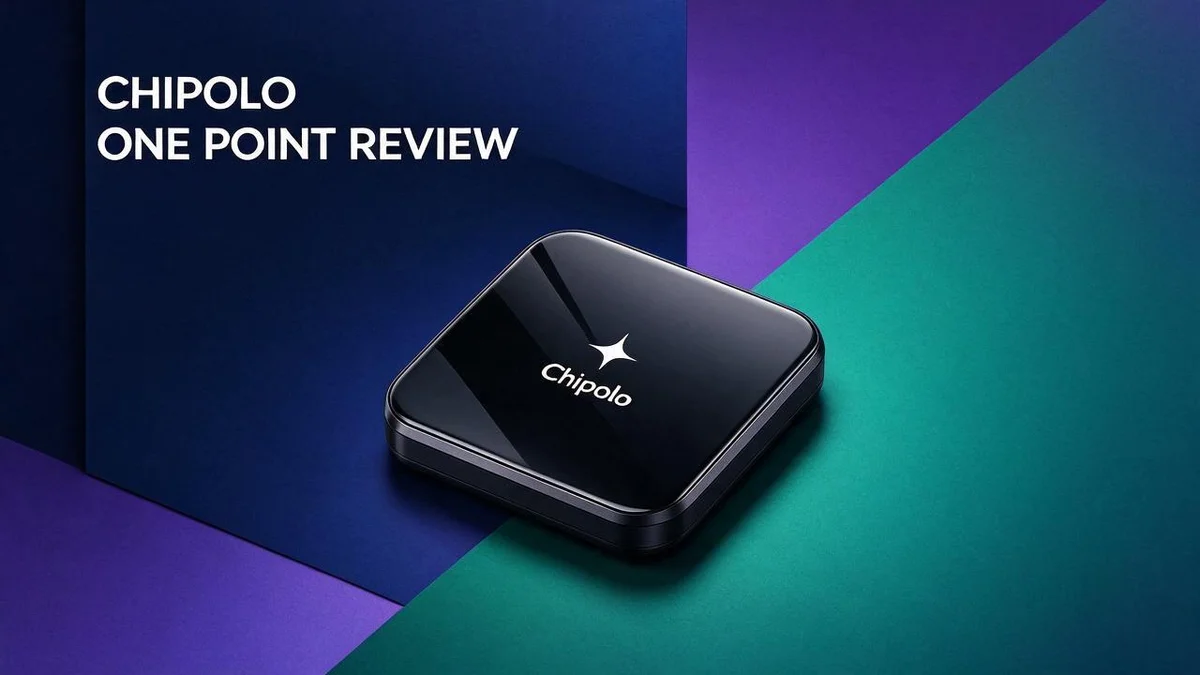
A small Bluetooth tracker can end that search fast. The Chipolo ONE Point is a button style tracker that clips onto your keys, bag, or other everyday items. It helps you find them with your phone in just a few taps.
What makes this model stand out? It works with both Apple Find My and Android Find My Device. It is the first Chipolo tracker to support both systems, so it works across most phones.
Users often praise how well it connects to Find My and how accurate it feels when locating items. Its interchangeable battery also lets you keep it running longer.
This review covers how it works, what it does well, and which alternatives to consider.
In a Nutshell
- Compact design: The Chipolo ONE Point is a small Bluetooth tracker. It attaches to keys, bags, and other everyday items.
- Replaceable battery: You can swap the battery when it runs low. This helps the tracker stay in use for a longer time.
- Mixed phone homes: Families with iPhone and Android phones can both use it. Everyone in the house can help find a lost item.
- Same brand options: Chipolo Pop and Card Point come from the same maker. Each one suits a different item or style, so compare them side by side.
- Strong rivals: Pebblebee Clip 5 also works with Apple Find My. The Moto tag is said to match the size of an AirTag, which may suit people who want a close fit.
- Hyper trackers: These are another option to review. They offer a different look and feel for those who want more choices.
- Gaps to check: Range, battery life, and water resistance are not listed in the research. Look at the official specs for these details.
Key Features

Last update on 2026-11-04 / Affiliate links / Images from Amazon Product Advertising API Some of the links on this website are affiliate links, which means that at no additional cost to you, I earn a commission if you click through and make a purchase. I only recommend products and services that I believe will add value to my readers. Thank you for your support!
Simple design is one of the first things people notice. The Chipolo ONE Point uses a button style body that fits neatly onto a key ring.
Keys often end up in coat pockets, bags, or under couch cushions. A small tracker on your key ring covers those everyday spots. You can also attach it to a backpack, a wallet, or a laptop bag.
Attaching it takes only a moment. Once it is on, the tracker moves with the items you carry most.
Find My does the heavy lifting. The tracker does not use its own cell service. Instead, it relies on nearby phones in the Find My network to report its location. This means the search feels shared, so a device that passes near your lost item can help.
Accuracy is a major strength for many owners. Users describe the locating experience as fantastic when they need to find an item nearby. That kind of confidence makes a big difference during a rushed morning.
Setup happens through the Find My app on your phone. Pair the tracker, give it a name, and start searching right away. Android users follow the same basic steps through the Find My Device app.
Owners who juggle several items can name each tracker in the app. That small step keeps searches organized and quick.
The tracker suits busy people. Students, commuters, and frequent travelers often forget small items. A tracker on their keys or luggage gives them a clear way to check where things are.
Before you decide, check the packaging and the official listing for details. The research does not list dimensions, range, or water resistance, so confirm those points yourself.
Compatibility and Setup
Getting the Chipolo ONE Point ready takes little time. It supports both iPhone and Android, so the steps shift slightly by phone type.
Check your phone first. Keep your phone software up to date before you begin. Older systems may struggle to find the tracker or show its location.
iPhone owners should confirm that Find My is switched on in settings. Sign in with the Apple ID you use every day. This keeps your devices in one place.
Android owners need a Google account and the Find My Device feature turned on. Location services and Bluetooth must also stay active. Without these, the tracker may not report its position.
Test it right away. Press the ring or locate option while the tracker sits nearby. This confirms the link works before you leave home. Early testing saves stress later.
Plan for shared access. Families can each use their own phone, which suits mixed households. Decide which phone should receive alerts. This keeps everyone informed without extra messages.
Keep expectations realistic. Find My works best when another nearby device can pass along a signal. Items in empty areas may take longer to show an update.
Bluetooth range also shapes results. Your phone must sit within range for the best updates. Keep Bluetooth on and avoid turning off your phone during a search.
Review your settings. Turn on notifications only for the items you care about most. Too many alerts can become noise.
Keep a simple record. Write the setup date in your phone notes. This helps you remember when to check the battery.
Verify details before buying. The research does not list every compatibility detail, so check the official listing. Look for the latest supported phone models and system versions.
Finding Accuracy in Practice
Accuracy shows up best in everyday life. Lab tests rarely match a cluttered kitchen or a crowded backpack.
Many owners call the results fantastic. They say the tracker pointed them right to lost items.
Your own testing tells the real story. Start with a few simple checks in your home.
Try the search in different rooms. Stand in one room, then move to another, and watch how the map pin changes.
Pay attention to the last known spot. Find My shows where the tracker was last seen, which helps you narrow the search fast.
Next, test a few hiding places. Slide the tracker under a cushion, inside a bag, or behind a pile of mail.
Note how long the signal takes to show. Some spots need a moment before the location updates.
Outdoor checks matter too. Walk a short loop around your yard or block and keep your phone in your pocket.
Keep a simple log. Write down where it worked well and where it struggled.
No official range numbers appear in the research, so your own tests fill that gap. Set a clear goal before you start. For example, aim to find a set of keys in under one minute.
Watch for changes across the day. A tracker that works well at breakfast may act differently after work. Compare your notes from each time.
Share notes with family members. Each person can test from their own phone and compare findings.
Small habits make a big difference. Attach the tracker to the same item every day so you learn its usual spot.
Walls, metal, and distance can all change what you see on screen. Good accuracy grows from patience and steady practice.
Top 3 Alternatives
Some buyers want a different tracker for their keys, bags, and daily items. These three options fit many needs.
Apple AirTag


Last update on 2026-11-04 / Affiliate links / Images from Amazon Product Advertising API Some of the links on this website are affiliate links, which means that at no additional cost to you, I earn a commission if you click through and make a purchase. I only recommend products and services that I believe will add value to my readers. Thank you for your support!
Apple AirTag works best for people who use an iPhone. It connects to the Find My network, so it can locate lost items even when they are far away. The battery is easy to replace, so the tag can stay useful for a long time.
Tile Mate

Last update on 2026-11-04 / Affiliate links / Images from Amazon Product Advertising API Some of the links on this website are affiliate links, which means that at no additional cost to you, I earn a commission if you click through and make a purchase. I only recommend products and services that I believe will add value to my readers. Thank you for your support!
Tile Mate suits people who use both iPhone and Android phones. It works with the Tile app to help you find missing items quickly. The built-in speaker plays a loud sound, which helps you spot things hidden under couches or in bags.
Samsung SmartTag2

Last update on 2026-11-04 / Affiliate links / Images from Amazon Product Advertising API Some of the links on this website are affiliate links, which means that at no additional cost to you, I earn a commission if you click through and make a purchase. I only recommend products and services that I believe will add value to my readers. Thank you for your support!
Samsung SmartTag2 is a strong choice for Galaxy phone owners. It uses the SmartThings Find network, which gives you wider location reach. The battery is replaceable, and the tag includes a built-in alarm for finding nearby items fast.
Battery and Replacement
Power matters more than most people expect. The Chipolo ONE Point uses an interchangeable battery, so you can swap the power source when it runs low.
A replaceable cell keeps the tracker useful for longer. You do not need to replace the whole device each time the power fades.
The research does not list a battery life figure. Real results depend on how often you press the button and how often you search in the app.
Watch for a weak alert. If the sound seems quieter than before, the cell may need attention soon.
Keep a spare cell on hand for busy weeks. Store it in a dry drawer, away from heat and direct sunlight. Packing one for trips also helps. Slip a spare into your carry-on so you can swap it on the road.
Read the label on the old cell before you buy a replacement. Matching the type helps the tracker work as designed.
Swapping takes only a few simple steps. Open the case gently, remove the old cell, and place the new one with the same side facing up.
Clean the contacts before you close the case. Dust or grime can block a clean connection. Use a dry cloth and keep water away from the open case.
Handle small cells with care. Keep them away from children and pets, and take old cells to a local recycling point.
Mark the swap date on a small label inside your bag or on the case. A quick calendar reminder works too.
Many owners forget battery care until a search fails. A short routine keeps the tracker ready for daily use.
Finally, confirm the tracker still appears in the app after every swap. A quick check now saves time when you need to find something fast.
Build and Design
The Chipolo ONE Point follows a button style design. Its simple shape keeps the tracker out of the way in daily life.
Most owners fasten it to a key ring or a bag strap. A secure attachment matters most when you walk, drive, or rush for a bus.
Placement matters more than many people think. A spot you check often, such as a backpack zipper, makes a missing item easier to spot. A tracker tucked into a rarely used pocket may go unnoticed for days.
The research gives no exact dimensions. You cannot judge the size from text alone. Hold a sample in a shop or compare it with a coin or your own key ring.
Design also affects comfort. A small body sits flat against a wallet or pocket lining. A bulky tag can feel like a nuisance, so size deserves attention.
Durability remains an open question. The research does not mention water resistance, drop tests, or material details. Check the packaging for any rating before you take the tracker into rain, mud, or snow.
Look and fit both matter. The Chipolo ONE Point uses a clean look that suits most key sets. Choose a strap or loop that matches how you carry your items. A good fit keeps the tracker steady while you move through busy days.
This approach suits people who value a light footprint on their keys. Carry the tracker for a week, then decide whether the size and attachment work for your routine. Small changes in placement often make the biggest difference.
Pros and Cons
Pros
- Works with both Apple and Android through Find My and Find My Device.
- Users report fantastic accuracy when locating lost items.
- The interchangeable battery keeps the tracker in use.
- It attaches easily to keys, bags, and other everyday items.
- The clean, practical design suits people who want a light setup.
Cons
- The research lists no water resistance details, so wet conditions remain unclear.
- Some key specs are missing, which makes side-by-side comparisons harder.
- It depends on nearby phones to report its location, so it may struggle in areas with few devices around.
- The research does not mention any drawbacks, so real-world limits may only appear with long-term use.
Who Should Buy It
Households with mixed phones often need a tracker that works for everyone. This model fits that goal well.
Families with an iPhone and an Android phone can both help find lost keys. Everyone in the house stays in the loop.
Students make strong candidates too. A small tag on a backpack strap can save a rushed morning when books or keys go missing between classes.
Frequent travelers also benefit from a simple setup. Someone who moves between hotels, airports, and rideshares may leave small items behind. A quick check in the app can show where those items went.
Busy parents often juggle bags, lunch boxes, and sports gear. A tag on a key ring or bag strap cuts down on frantic searching before school or practice.
People who misplace items at home may find it useful as well. Keys tend to end up under couch cushions or in coat pockets. Keeping the tag on the main key set keeps the search simple.
Anyone who values a quick and easy setup will appreciate how little effort it takes. Attach the tag, open the app, and start tracking. There is no complicated process to learn.
Owners who like to keep a spare tag may find this model handy. One tag can stay on the main keys while another rides on a bag or jacket.
Gift shoppers also have a reason to consider it. A friend who often loses keys may appreciate a practical gift. Check their phone type first so the tracker works with their device.
Shoppers who prefer detailed spec sheets may want to read more before they buy. The research leaves some details open, so a closer look at the product page can help them decide.
In short, this tracker suits people who want a simple tool for everyday items. It fits mixed households, students, travelers, busy parents, and anyone who misplaces keys often.
Final Verdict
The Chipolo ONE Point earns a strong spot on any shortlist for people who want a simple way to find everyday items.
It works with both Apple Find My and Android Find My Device. That support makes it a rare pick for mixed households. Overall, the verdict leans positive for most casual users.
Before you buy, think about how you plan to use it. The research gives no exact battery life or range, so testing matters.
Walk through your home, yard, and car to see how quickly it reports back. Keep notes on what you find.
Compare it with other models too. Chipolo also sells the Pop and Card Point, so you can match the shape to your needs.
Pebblebee Clip 5 works with Apple Find My. The Moto tag may suit people who want a size close to AirTag. Read a few recent reviews side by side before you decide.
Setup should feel quick and simple. Install the app, pair the tracker, and turn on alerts. Enable phone notifications early so you hear about a separated item right away. Many people skip this step and lose time later.
Think about where you go each day. If you often leave items in cafes, offices, or gyms, check that many nearby phones pass through those places.
Busy areas usually give faster updates. Quiet rural spots may slow things down.
Keep your expectations realistic. Long term durability remains unknown, so watch how the tracker handles daily wear over several months.
If it holds up well, it can serve as a dependable backup for keys, wallets, or bags.
The Chipolo ONE Point suits people who want a simple, clean tracker with broad phone support. Check the missing specs, test it at home, and set up alerts from day one. With those steps, you can make a confident choice and keep your belongings within easy reach.
Frequently Asked Questions
Can you replace the battery in the Chipolo ONE Point?
Yes. This tracker has an interchangeable battery, so you can swap it out. You do not need to buy a whole new tag.
How accurate is it when you search for lost items?
Many users describe its accuracy as fantastic. Owners often say the tracker leads them right to their keys once they get close.
What can you attach it to?
It attaches to keys and other everyday items. Its button style makes it easy to add to a bag, a wallet, or a remote.
What other trackers should I look at?
Some people also check the Moto tag, and one user says it matches AirTag dimensions. Hyper trackers are another option to review before you decide.

Hi, my name is Lily you can say i am a gadget hunter at this point. Welcome to Gadget Gallery The Gallery of Gadget Reviews