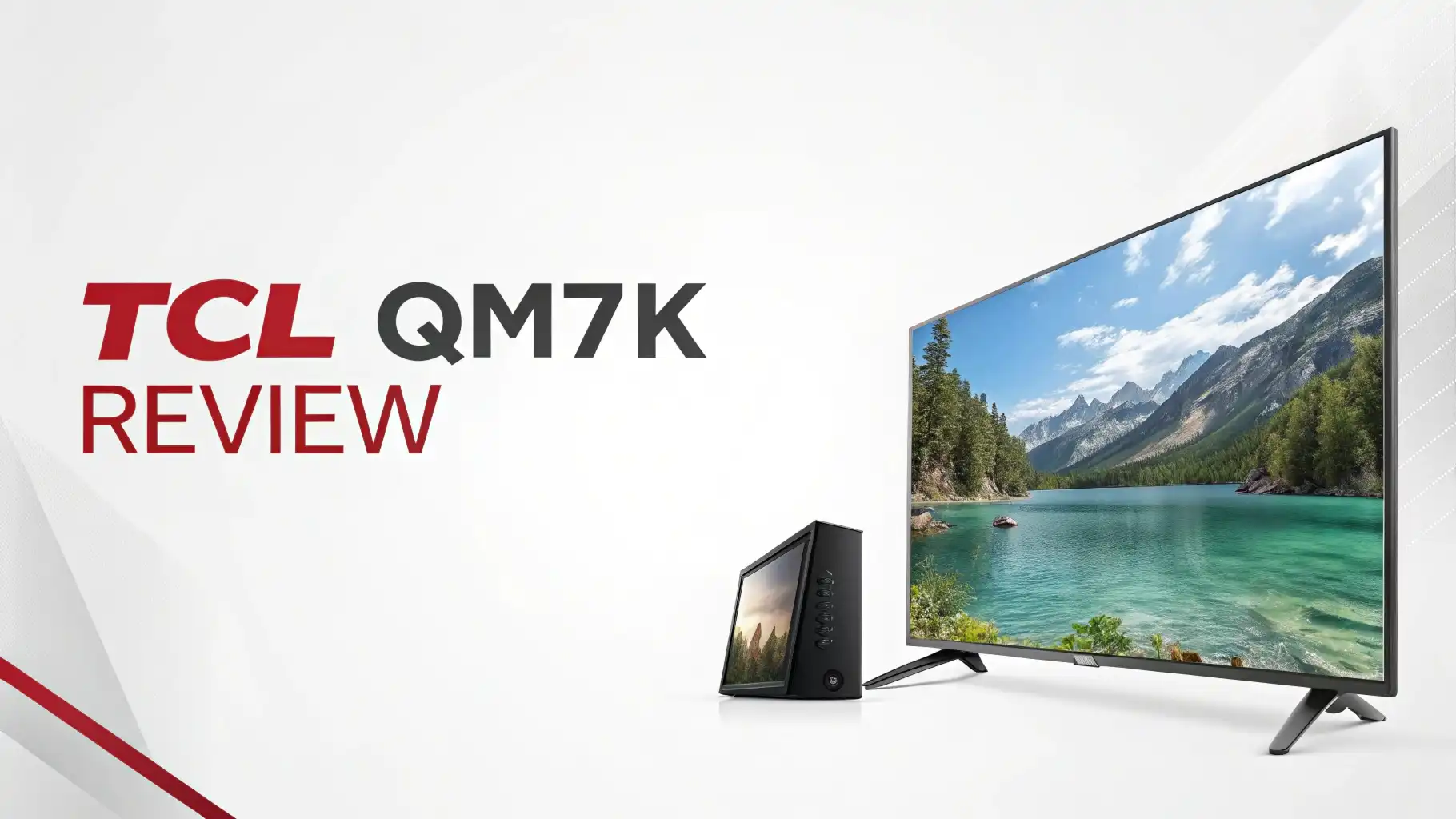
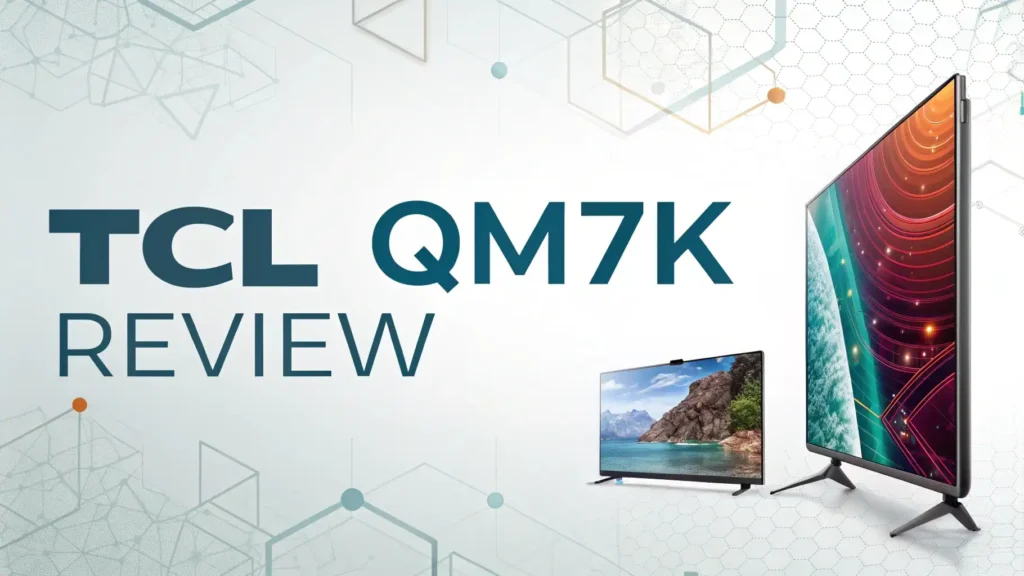
TCL QM7K Review 2026: Your Ultimate Buying Guide
The TV market in 2026 keeps getting better, and TCL continues to surprise us with affordable options that punch above their weight.
The TCL QM7K has landed, and people are asking if this mini-LED television can really deliver premium features without the premium price tag. If you’re tired of overpriced TVs that drain your wallet, you’ll want to keep reading.
This television brings mini-LED technology to your living room without asking you to take out a second mortgage.
Key Takeaways:
- Impressive Mini-LED Performance – The QM7K uses hundreds of local dimming zones to create deep blacks and bright highlights that rival much more expensive televisions.
- Gaming-Ready Specifications – With 120Hz refresh rate, HDMI 2.1 ports, and low input lag, this TV handles PlayStation 5 and Xbox Series X gaming without breaking a sweat.
- Google TV Platform – The smart interface provides easy access to all your streaming apps, voice control, and personalized content recommendations that actually make sense.
- Value-Focused Pricing – TCL positions this model significantly below premium competitors while delivering 80-90% of the performance at nearly half the cost.
- Bright HDR Highlights – Peak brightness levels exceed 1000 nits, making HDR content pop with intensity that budget TVs typically can’t achieve.
- Solid Build Quality – The construction feels sturdy with minimal flex, and the design looks modern enough to blend into any room without screaming “budget television.”


Last update on 2026-07-23 / Affiliate links / Images from Amazon Product Advertising API Some of the links on this website are affiliate links, which means that at no additional cost to you, I earn a commission if you click through and make a purchase. I only recommend products and services that I believe will add value to my readers. Thank you for your support!
What Makes the TCL QM7K Special
The TCL QM7K stands out because it brings technology that used to cost thousands of dollars down to a price point that regular families can actually afford.
Mini-LED backlighting creates a viewing experience that traditional LED TVs simply cannot match. Instead of using a single backlight or even dozens of zones, this television employs hundreds of dimming zones that turn on and off independently.
This technology means you get deeper blacks in dark scenes and brighter highlights in sunny landscapes or explosive action sequences.
When you watch a movie with a night scene, the stars actually twinkle against a truly dark sky instead of looking washed out. TCL has been refining this technology for several years, and the QM7K represents their most mature implementation yet.
The panel itself uses quantum dot technology to produce more accurate and vibrant colors than standard LED televisions. Colors look natural rather than oversaturated, which matters when you’re watching documentaries, sports, or anything where accurate color reproduction enhances the experience.
Picture Quality Performance
Picture quality is where the QM7K earns its keep. The mini-LED backlight system creates contrast ratios that approach OLED territory, with deep blacks sitting right next to bright elements without bleeding or halos. When you watch content with high dynamic range, the television handles it confidently.
SDR content looks clean and well-processed. The upscaling engine does solid work with 1080p content from streaming services or cable boxes. Motion handling stays smooth during sports and fast action scenes, though you’ll want to adjust the motion settings because the default soap opera effect can feel unnatural.
HDR performance really showcases what this TV can do. Both Dolby Vision and HDR10+ are supported, ensuring compatibility with content from all major streaming platforms.
Peak brightness reaches over 1000 nits in HDR mode, which makes highlights really pop. Fireworks, sunsets, and light reflections have impact and dimension that budget TVs typically flatten out.
The color volume impresses as well. Bright colors stay saturated instead of washing out, and dark colors maintain their richness even in shadow details. Skin tones look natural across different lighting conditions, which matters during dialogue scenes and close-ups.
Top 3 Alternatives for TCL QM7K

Last update on 2026-07-23 / Affiliate links / Images from Amazon Product Advertising API Some of the links on this website are affiliate links, which means that at no additional cost to you, I earn a commission if you click through and make a purchase. I only recommend products and services that I believe will add value to my readers. Thank you for your support!

Last update on 2026-07-23 / Affiliate links / Images from Amazon Product Advertising API Some of the links on this website are affiliate links, which means that at no additional cost to you, I earn a commission if you click through and make a purchase. I only recommend products and services that I believe will add value to my readers. Thank you for your support!

Last update on 2026-07-23 / Affiliate links / Images from Amazon Product Advertising API Some of the links on this website are affiliate links, which means that at no additional cost to you, I earn a commission if you click through and make a purchase. I only recommend products and services that I believe will add value to my readers. Thank you for your support!
Gaming Features and Performance

Last update on 2026-07-23 / Affiliate links / Images from Amazon Product Advertising API Some of the links on this website are affiliate links, which means that at no additional cost to you, I earn a commission if you click through and make a purchase. I only recommend products and services that I believe will add value to my readers. Thank you for your support!
Gamers will find plenty to appreciate in the QM7K’s feature set. The television includes four HDMI 2.1 ports, which means you can connect your PlayStation 5, Xbox Series X, gaming PC, and soundbar all at once without needing to swap cables. This convenience matters more than you might think when multiple family members want to game.
The 120Hz refresh rate ensures smooth gameplay with compatible consoles and PCs. Fast-paced shooters, racing games, and action titles benefit tremendously from the reduced motion blur and improved responsiveness.
Input lag measures impressively low in game mode, typically under 10 milliseconds, which competitive gamers will appreciate.
Variable refresh rate support through both FreeSync and VRRF prevents screen tearing during gameplay. When your console’s frame rate fluctuates, the TV adjusts its refresh rate to match, keeping everything smooth and stutter-free. This feature makes a noticeable difference in demanding games where frame rates can vary.
Auto low latency mode switches the TV into game mode automatically when it detects a gaming signal. You don’t need to dive into menus or remember to change settings. Just turn on your console and start playing with optimal settings engaged immediately.
The game mode picture quality maintains good brightness and color, though some processing gets disabled to achieve low latency. The trade-off feels worth it because the responsiveness improvement enhances gameplay more than the subtle picture processing would.
Smart TV Platform and Interface
The QM7K runs Google TV, which represents one of the better smart platforms available in 2026.
The interface feels intuitive with content recommendations pulled from across your subscribed services. Instead of opening each app separately to browse, you see suggestions from Netflix, Disney+, Amazon Prime, and others all in one place.
Voice control works reliably through the included remote or paired smart speakers. You can ask for specific shows, genres, actors, or even abstract requests like “show me funny movies from the 90s.” The system understands natural language well enough that you don’t need to memorize specific commands.
App selection is comprehensive with all major streaming services represented. The platform receives regular updates, which means new apps and features continue arriving even after you’ve owned the TV for a couple years. Performance stays responsive without the lag or freezing that plagues some budget smart TV platforms.
Sound Quality and Audio Features
The built-in speakers deliver acceptable performance for casual viewing, though they won’t replace a dedicated sound system. Audio sounds clear during dialogue and stays balanced across different content types. Bass response remains limited, as expected from thin television speakers, but mids and highs come through cleanly.
Dialogue clarity holds up well even during action scenes with music and effects competing for attention. The center channel simulation ensures voices stay anchored to the screen rather than floating around vaguely. Most people will find the speakers adequate for news, sitcoms, and casual viewing.
For movies and immersive content, you’ll want to add a soundbar or surround system. The TV supports eARC through one of the HDMI ports, enabling high-quality audio passthrough to compatible sound systems. Dolby Atmos support means you can experience object-based surround sound when paired with appropriate speakers.
Design and Build Quality
TCL has improved their construction quality considerably over recent years, and the QM7K reflects that evolution. The television feels solid without excessive weight. The bezels stay thin on three sides with a slightly thicker bottom bezel that houses the speakers and electronics.
The stand design offers two mounting positions. You can use the wide stance that places feet near each corner, perfect for narrow TV stands. Alternatively, position the feet closer together for placement on smaller furniture. This flexibility helps the TV fit various entertainment center configurations.
Build materials consist primarily of plastic, but the finish looks clean and avoids the cheap appearance that plagued budget TVs in the past. The back panel stays tidy with cable management channels that help keep wires organized. All ports face sideways for easy access even when wall-mounted.
The included remote feels comfortable with good button placement and tactile feedback. Dedicated buttons for Netflix, Disney+, Amazon Prime, and other services provide quick access to popular apps. The voice button sits prominently for easy activation of Google Assistant.
Wall mounting uses standard VESA patterns, making it compatible with most universal TV mounts. The television weighs less than comparable sizes from premium brands, which makes installation somewhat easier and less stressful.
Brightness and Contrast Performance
Brightness capabilities separate the QM7K from cheaper televisions in TCL’s lineup. Peak brightness measurements exceed 1000 nits in HDR mode, which allows the TV to display specular highlights with real impact. Sunlight reflections on water, car headlights, and explosions have punch that cheaper TVs simply cannot replicate.
This brightness advantage makes the television suitable for bright rooms where ambient light would wash out dimmer displays.
Even with windows uncovered during daytime, the picture maintains visibility and color saturation. This practical benefit matters for real-world viewing conditions, not just darkened home theater rooms.
Contrast ratio benefits from the mini-LED local dimming system. Dark scenes display with deep blacks that approach OLED performance, especially when viewed in dimmed lighting.
The dimming algorithm works intelligently to minimize blooming around bright objects on dark backgrounds, though some haloing remains visible in challenging content.
Black levels in standard dynamic range content look solid as well. The backlight doesn’t leak excessively in the corners, and uniformity stays consistent across the panel. Some variation exists in 5% gray test patterns, but real content masks these minor inconsistencies effectively.
Color Accuracy and Vibrancy
The quantum dot layer in the QM7K produces colors that look vibrant without crossing into oversaturation. Reds appear rich and dimensional rather than flat or neon. Greens show natural variation from bright lime to deep forest. Blues maintain depth whether showing sky or ocean.
Out of the box, color accuracy falls within acceptable ranges for most viewers. Enthusiasts who want perfect calibration can access a comprehensive set of picture controls including two-point and ten-point white balance adjustment.
Color space coverage exceeds 90% of the DCI-P3 standard, which means the TV can display most colors used in modern content.
Skin tones render naturally across different ethnicities and lighting conditions. Faces don’t look overly pink or orange like they do on some televisions with aggressive color processing. This natural reproduction enhances immersion in movies and shows where faces occupy significant screen time.
Color volume remains strong even at higher brightness levels. Some TVs lose color saturation as brightness increases, making pastels look washed out. The QM7K maintains color intensity across its brightness range, creating a more three-dimensional picture with greater depth.
HDR Format Support
The television supports Dolby Vision, HDR10+, and standard HDR10, covering all major high dynamic range formats used by streaming services and physical media. This comprehensive support ensures you’ll see content as creators intended regardless of which platform or disc you’re watching.
Dolby Vision content looks particularly impressive with scene-by-scene metadata helping the TV optimize its picture for each moment.
The difference between standard HDR10 and Dolby Vision is noticeable in content that uses dynamic metadata effectively. Netflix, Disney+, and Apple TV+ content benefits substantially from Dolby Vision support.
HDR10+ brings similar dynamic metadata advantages to Amazon Prime Video content and some other sources. The TV automatically detects the format and applies appropriate tone mapping to make the most of the content’s dynamic range information.
Standard HDR10 still looks excellent even without dynamic metadata. The TV’s tone mapping algorithm creates a balanced picture that preserves shadow detail while maintaining bright highlights. You can adjust HDR brightness to suit your room’s lighting conditions and personal preferences.
Value Comparison Against Competitors
The QM7K delivers exceptional value when compared against similarly priced competition. Samsung’s comparable models cost 20-30% more while offering similar specifications.
Sony and LG charge even higher premiums for mini-LED technology. Vizio and Hisense compete more closely on price but often compromise on processing quality or feature sets.
This television provides about 80% of the performance of high-end models costing twice as much. The picture quality gap has narrowed significantly compared to previous generations. Most viewers would struggle to justify spending double for incremental improvements in peak brightness or processing.
The comprehensive HDMI 2.1 implementation particularly impresses at this price point. Many competing models in this price range include only one or two HDMI 2.1 ports, forcing gamers to choose which devices get premium connectivity. Four full-bandwidth ports eliminate these compromises.
Smart platform quality exceeds expectations as well. Google TV provides a better experience than the proprietary platforms used by some competitors. Regular updates and comprehensive app support ensure the TV won’t feel outdated in two or three years.
Who Should Buy the TCL QM7K
The QM7K makes sense for several different buyer profiles. Budget-conscious shoppers who want mini-LED performance without premium pricing will find this television hits a sweet spot. You get advanced technology and strong performance while saving money for other home theater components or content subscriptions.
Gamers appreciate the complete HDMI 2.1 implementation, low input lag, and 120Hz refresh rate. The TV handles current generation consoles beautifully while future-proofing for upcoming gaming advances. Multiple HDMI 2.1 ports mean you won’t need to swap cables when switching between gaming devices.
Bright room viewers benefit from the high peak brightness that maintains picture quality even with ambient light. If your TV sits opposite windows or you watch during daytime, this brightness capability prevents washed-out images that plague dimmer televisions.
Movie enthusiasts on a budget will enjoy the HDR performance and color accuracy. While this TV doesn’t quite match high-end models, it delivers a satisfying cinematic experience that makes movies engaging and immersive without requiring a massive investment.
First-time large screen buyers stepping up from smaller or older televisions will find the QM7K provides a substantial upgrade in every meaningful category. The quality improvements over standard LED TVs are immediately apparent and impressive.
Frequently Asked Questions
Does the TCL QM7K support Dolby Atmos audio?
Yes, the QM7K includes Dolby Atmos support and can pass this audio format through to compatible soundbars or AV receivers via eARC. The built-in speakers cannot create true Atmos effects but the TV processes and outputs the signal correctly to external audio systems.
How many HDMI 2.1 ports does this TV have?
The TCL QM7K includes four HDMI 2.1 ports with full 48Gbps bandwidth. All four ports support 4K at 120Hz, variable refresh rate, and auto low latency mode. This comprehensive implementation exceeds many competing televisions that limit HDMI 2.1 features to one or two ports.
Can I use this TV for PS5 and Xbox Series X gaming?
Absolutely. The QM7K excels as a gaming display with 120Hz refresh rate, VRR support, and input lag under 10ms in game mode. The four HDMI 2.1 ports let you connect both consoles simultaneously along with other devices without needing to swap cables.
Does this model have local dimming and how many zones?
Yes, the QM7K uses mini-LED backlighting with local dimming. The exact zone count varies by screen size, with larger models having more zones. The 65-inch version typically includes over 500 dimming zones, which creates excellent contrast and minimizes blooming compared to standard LED televisions.
What smart TV platform does the QM7K use?
The television runs Google TV, which is Google’s latest smart platform. This system provides access to all major streaming apps, built-in Chromecast, Google Assistant voice control, and content recommendations pulled from across your subscribed services in a unified interface.
Is the picture quality comparable to OLED TVs?
The QM7K approaches OLED performance in many areas, particularly in bright room viewing where its superior peak brightness gives it an advantage. OLED still leads in perfect black levels, viewing angles, and motion handling. For most viewers in typical lighting conditions, the QM7K delivers a satisfying picture that competes well against much more expensive OLED models.
How long is the warranty on TCL televisions?
TCL typically provides a one-year limited warranty covering defects in materials and workmanship. Extended warranty options are available through retailers and third-party providers. The company’s customer service has improved significantly in recent years with better response times and support quality.
Can I calibrate this TV for accurate colors?
Yes, the QM7K includes comprehensive calibration controls in its picture settings menu. You’ll find two-point and ten-point white balance adjustments, color management system controls, and gamma adjustments. These tools allow enthusiasts or professional calibrators to optimize the picture for accurate color reproduction and proper grayscale tracking.

Hi, my name is Lily you can say i am a gadget hunter at this point. Welcome to Gadget Gallery The Gallery of Gadget Reviews