
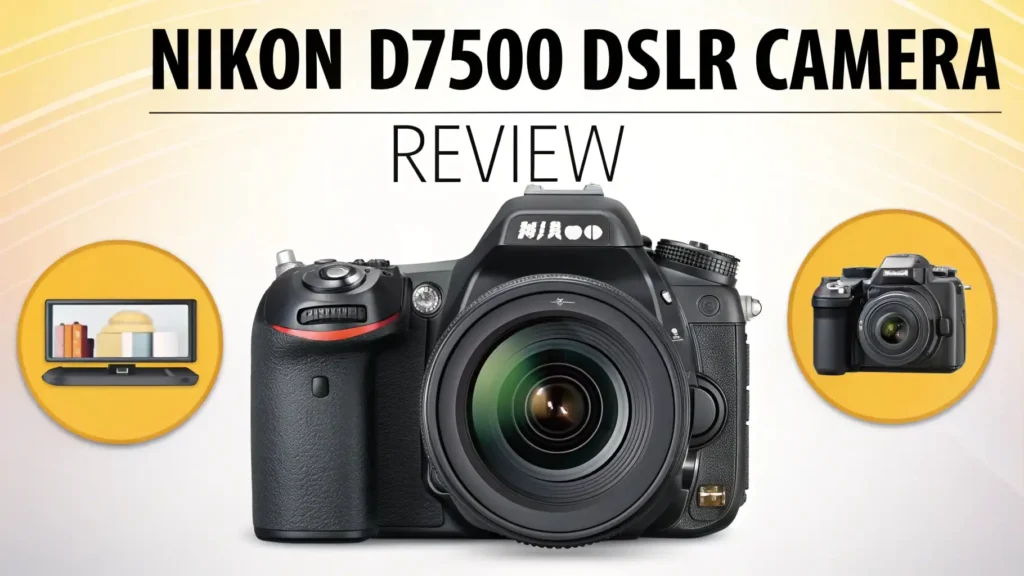
Nikon D7500 DSLR Camera Review 2026: Is This Worth Your Money?
The camera market changes fast. New models arrive every year with shiny features and bigger price tags. But what happens when you look at a camera that has been around for a while?
Does it still hold up? The Nikon D7500 came out years ago, yet photographers in 2026 still talk about it with excitement. This camera refuses to fade into the background.
Today we dig deep into why this mid-range DSLR continues to win hearts and how it stacks up against the competition.
Key Takeaways:
- Excellent Image Quality: The D7500 uses a 20.9 megapixel DX format sensor without a low pass filter. This design choice delivers sharp, detailed images that rival cameras costing twice as much. The sensor shares DNA with the flagship D500, which tells you everything about its pedigree.
- Lightning Fast Performance: With 8 frames per second continuous shooting and a buffer that handles 100 JPEGs or 50 RAW files, this camera never misses the action. Sports photographers and wildlife enthusiasts will feel right at home with this speed.
- Professional Autofocus System: The 51 point autofocus system comes straight from the D500 and delivers accuracy that makes focusing feel effortless. Even in tricky lighting conditions, the D7500 locks onto subjects with confidence.
- Incredible ISO Range: Shooting from ISO 100 to 51,200 (expandable to ISO 1,640,000) means you can capture images in almost any lighting situation. Low light photography becomes much less stressful with this kind of flexibility.
- Outstanding Battery Life: With 950 shots per charge, the D7500 outlasts most competitors. You can shoot all day without constantly checking your battery indicator or carrying multiple spares.


Last update on 2026-10-13 / Affiliate links / Images from Amazon Product Advertising API Some of the links on this website are affiliate links, which means that at no additional cost to you, I earn a commission if you click through and make a purchase. I only recommend products and services that I believe will add value to my readers. Thank you for your support!
Nikon D7500 DX Format Digital SLR Body
The Nikon D7500 body only option gives you freedom to build your lens collection exactly how you want it. This camera body packs serious power into a manageable size. The build quality feels solid in your hands.
The magnesium alloy frame can handle tough conditions. Photographers who already own Nikon F mount lenses will appreciate how this body integrates seamlessly with their existing gear.
The 4.7 star rating from over 1,700 reviews speaks volumes about user satisfaction. At under $700, this represents exceptional value for a camera with flagship features.
Design and Build Quality
The D7500 feels like a proper professional tool. The body measures 4.1 by 5.4 by 2.9 inches and weighs 1.4 pounds without a lens. This weight strikes a perfect balance.
It feels substantial enough to inspire confidence but not so heavy that your shoulder aches after an hour of shooting. The deep grip accommodates larger hands comfortably. Even with a telephoto lens attached, the camera balances well.
Nikon designed this camera to survive real world conditions. The body features weather sealing that protects against dust and moisture. You can shoot in light rain or dusty environments without worry. The buttons and dials are positioned logically.
After a few days of use, your fingers will find controls without looking. The tilting touchscreen adds modern convenience without sacrificing the traditional DSLR experience that many photographers prefer.
Sensor and Image Quality Performance
The heart of any camera is its sensor, and the D7500 delivers here in spectacular fashion. The 20.9 megapixel APS-C CMOS sensor produces images with beautiful color, excellent dynamic range, and impressive detail.
Some photographers might worry that 20.9 megapixels seems modest compared to cameras pushing 30 or 40 megapixels. But this resolution hits a sweet spot. You get plenty of detail for large prints while maintaining excellent low light performance.
The lack of a low pass filter means images appear sharper and more detailed straight out of camera. Colors look natural and pleasing. Skin tones render beautifully for portrait work. Landscapes show rich detail from foreground to background.
The EXPEED 5 image processor handles data quickly and efficiently. This processor reduces noise effectively even at high ISO settings. Images at ISO 3200 look clean enough for professional use. Even ISO 6400 produces usable results with minimal post processing.
Top 3 Alternatives for Nikon D7500

Last update on 2026-10-13 / Affiliate links / Images from Amazon Product Advertising API Some of the links on this website are affiliate links, which means that at no additional cost to you, I earn a commission if you click through and make a purchase. I only recommend products and services that I believe will add value to my readers. Thank you for your support!

Last update on 2026-10-13 / Affiliate links / Images from Amazon Product Advertising API Some of the links on this website are affiliate links, which means that at no additional cost to you, I earn a commission if you click through and make a purchase. I only recommend products and services that I believe will add value to my readers. Thank you for your support!

Last update on 2026-10-13 / Affiliate links / Images from Amazon Product Advertising API Some of the links on this website are affiliate links, which means that at no additional cost to you, I earn a commission if you click through and make a purchase. I only recommend products and services that I believe will add value to my readers. Thank you for your support!
Autofocus System That Never Quits
The 51 point autofocus system represents one of the D7500’s greatest strengths. This system comes from the professional D500, which means you are getting flagship level focusing in a mid-range body.
The AF system covers a large portion of the frame. You can track moving subjects with remarkable accuracy. The camera offers multiple AF modes to match different shooting situations.
Single point AF works perfectly for static subjects where you want precise control. Dynamic area AF excels for subjects that move unpredictably. The 3D tracking mode seems almost magical in how it follows subjects across the frame.
Wildlife photographers will love how reliably the camera tracks birds in flight or animals running through their environment. The autofocus works exceptionally well in low light too. The system functions down to -3 EV, which means it can focus in conditions where your eyes struggle to see clearly.
Continuous Shooting Speed and Buffer
The D7500 shoots at 8 frames per second, which places it among the fastest cameras in its class. This speed makes a huge difference when photographing action.
You can capture the perfect moment in a sequence instead of hoping you pressed the shutter at exactly the right instant. The generous buffer capacity deserves special mention. You can shoot 100 consecutive JPEGs or 50 RAW files before the camera slows down.
Many cameras in this price range force you to wait after just a few shots while they clear the buffer. The D7500 lets you keep shooting. This capability matters during critical moments like a bride walking down the aisle or a soccer player taking a shot on goal.
By the time most cameras would force you to pause, the D7500 is still firing away. This reliability builds confidence. You stop worrying about the camera and focus entirely on the scene in front of you.
Video Capabilities for Content Creators
The D7500 shoots 4K UHD video at 30 frames per second with impressive quality. The 4K footage shows excellent detail and beautiful color.
However, you should know about the 1.5x crop factor that applies when shooting 4K. This crop means your lenses have a narrower field of view than in photo mode or 1080p video. Wide angle shots become more challenging in 4K.
The camera also records Full HD video at up to 60 frames per second without any crop. This makes 1080p the better choice for many video projects. The autofocus during video works well with Nikon AF-S and AF-P lenses. Touch focus adds another layer of control.
You can tap on the screen to shift focus smoothly from one subject to another. The camera can record for up to 30 minutes in 4K mode. For serious video work, you might want to consider an external recorder. But for most content creators and hybrid shooters, the built-in video capabilities handle the job beautifully.
ISO Performance and Low Light Photography
The ISO range from 100 to 51,200 (expandable to ISO 1,640,000) gives you incredible flexibility. At base ISO, images show zero noise and maximum dynamic range.
As you increase ISO, the camera maintains impressive quality. ISO 1600 looks virtually noise free. ISO 3200 shows some noise but remains totally usable for professional work. Even ISO 6400 produces clean results after basic noise reduction in post processing.
The extreme high ISO settings exist more for emergency situations than everyday use. ISO 25,600 and beyond show significant noise and reduced dynamic range. But these settings can save a shot when you absolutely need a faster shutter speed.
The combination of a capable sensor and smart processing means you can shoot confidently in challenging light. Wedding photographers can work in dim reception halls. Concert photographers can capture performers under moody stage lighting. Street photographers can continue shooting well after sunset.
Battery Life That Keeps Going
Battery life often gets overlooked in camera reviews, but it matters tremendously in real world shooting. The D7500 uses the EN-EL15a lithium ion battery and delivers an impressive 950 shots per charge according to CIPA standards. In actual use, many photographers report getting even more shots than the official rating.
This exceptional battery life means less stress during long shooting days. You can attend a wedding or spend a day photographing wildlife without constantly checking your remaining charge. The camera manages power efficiently.
You can use the touchscreen extensively without draining the battery prematurely. While Nikon does not make a dedicated battery grip for the D7500, the single battery performance means most photographers will not miss this accessory. Carrying one spare battery gives you enough power for even the most demanding shoots.
Nikon D7500 with 18-140mm Lens Kit

Last update on 2026-10-13 / Affiliate links / Images from Amazon Product Advertising API Some of the links on this website are affiliate links, which means that at no additional cost to you, I earn a commission if you click through and make a purchase. I only recommend products and services that I believe will add value to my readers. Thank you for your support!
The kit with the AF-S DX NIKKOR 18-140mm f/3.5-5.6G ED VR lens makes perfect sense for photographers who want a complete ready to shoot package. This lens covers a versatile zoom range from moderate wide angle to telephoto.
The vibration reduction helps when shooting handheld in lower light. The optical quality is very good throughout the zoom range.
This combination works great for travel photography, events, portraits, and general photography. You get everything you need in one box. The 4.7 star rating confirms that buyers love this combo.
Connectivity and Sharing Options
Modern photographers need cameras that connect easily to phones and computers. The D7500 includes built-in WiFi and Bluetooth for wireless connectivity.
You can transfer images to your smartphone using the Nikon SnapBridge app. The initial setup takes a few minutes, but once configured, the connection works seamlessly.
Images transfer automatically in the background while you continue shooting. This feature is perfect for social media photographers who want to share images immediately. The Bluetooth connection uses minimal battery power.
You can also control the camera remotely from your phone. This works great for group photos where you want to be in the shot, or for wildlife photography where you want to trigger the camera from a distance. The camera also features standard USB and HDMI connections for wired transfers and external monitoring.
User Interface and Menu System
The D7500 uses Nikon’s traditional menu system, which photographers either love or find slightly dated. If you have used other Nikon DSLRs, you will feel immediately at home. The menus are organized logically once you learn the structure.
The addition of the touchscreen modernizes the experience significantly. You can navigate menus by tapping on the screen. You can also pinch to zoom when reviewing images.
Nikon included dedicated buttons for frequently used functions. ISO gets its own button, which is incredibly convenient. The exposure compensation button sits right where your thumb naturally rests. The top LCD displays key settings at a glance.
You can check your shooting mode, shutter speed, aperture, ISO, and remaining shots without looking at the main screen. This traditional DSLR interface helps you work quickly and efficiently.
Lens Compatibility and System
One major advantage of choosing the D7500 is access to Nikon’s enormous F mount lens lineup. Decades of Nikon lenses work perfectly with this camera.
You can choose from ultra wide angles to super telephoto lenses. You can find affordable kit lenses or invest in professional grade glass. The used market offers incredible values on older but still excellent lenses.
The DX format sensor means lenses have a 1.5x crop factor compared to full frame. A 50mm lens acts like a 75mm on the D7500. This works great for telephoto photography, as your lenses reach further.
Wildlife and sports photographers benefit from the extra effective reach. For wide angle work, you will need lenses specifically designed for DX cameras to avoid vignetting. The good news is Nikon makes many excellent DX lenses at reasonable prices.
Nikon D7500 Bundle with Dual Lens Kit

Last update on 2026-10-13 / Affiliate links / Images from Amazon Product Advertising API Some of the links on this website are affiliate links, which means that at no additional cost to you, I earn a commission if you click through and make a purchase. I only recommend products and services that I believe will add value to my readers. Thank you for your support!
This comprehensive bundle includes the AF-P DX NIKKOR 18-55mm and 70-300mm lenses along with essential accessories. You get two lenses that cover everything from wide angle to serious telephoto.
The 18-55mm handles landscapes, group shots, and everyday photography. The 70-300mm brings distant subjects close for wildlife, sports, and travel photography. The bundle also includes a 64GB memory card, tripod, flash, filter kit, and camera case.
Everything you need to start shooting professionally comes in one package. This represents excellent value for beginners moving into serious photography.
Who Should Buy the Nikon D7500?
The D7500 fits perfectly for several types of photographers. Enthusiasts stepping up from entry level cameras will appreciate the professional features and build quality.
The camera grows with you as your skills develop. Sports and wildlife photographers will love the fast autofocus and continuous shooting speed. The excellent tracking keeps moving subjects sharp.
Portrait photographers benefit from the beautiful color rendering and excellent high ISO performance. Event photographers can rely on the exceptional battery life and low light capability.
Travel photographers appreciate the compact size, weather sealing, and versatile feature set. The D7500 also makes an excellent backup body for professionals who shoot with full frame cameras. Having a reliable second body with compatible lenses provides peace of mind during critical shoots.
Frequently Asked Questions
Is the Nikon D7500 good for beginners?
The D7500 works well for beginners who want to grow into photography seriously. The camera offers both automatic modes for easy shooting and full manual control for learning. However, complete beginners might find the feature set overwhelming at first. If you plan to stick with photography long term, the D7500 represents a smart investment that will not limit your growth.
Can the Nikon D7500 shoot in RAW format?
Yes, the D7500 shoots in RAW format (NEF files) which gives you maximum flexibility in post processing. You can also shoot in JPEG format or both formats simultaneously. RAW files capture more information than JPEGs, allowing greater control over exposure, color, and detail during editing.
How does the Nikon D7500 compare to full frame cameras?
The D7500 uses an APS-C sensor rather than full frame. This means slightly less low light performance and shallower depth of field control compared to full frame cameras. However, the D7500 offers significant advantages including lower cost, smaller size, lighter weight, and the benefit of the crop factor for telephoto work. For most photographers, the D7500 delivers professional quality results.
Does the Nikon D7500 have image stabilization?
The camera body does not have built-in image stabilization. However, many Nikon lenses feature VR (Vibration Reduction) which provides excellent stabilization. When paired with VR lenses, you can shoot at slower shutter speeds without blur from camera shake.
What memory cards work with the Nikon D7500?
The D7500 uses a single SD card slot that accepts SD, SDHC, and SDXC cards. The camera supports UHS-I cards for fast write speeds. For 4K video and continuous burst shooting, using a fast UHS-I card rated at U3 or higher is recommended.
Is the Nikon D7500 weather sealed?
Yes, the D7500 features weather sealing that protects against dust and moisture. While you should not submerge the camera or expose it to heavy rain for extended periods, it can handle light rain, snow, and dusty conditions without problems. This makes it suitable for outdoor photography in various weather conditions.
Can I use my old Nikon lenses on the D7500?
Most Nikon F mount lenses work with the D7500. However, compatibility depends on the specific lens. AF-S and AF-P lenses provide full autofocus functionality. Older AF and manual focus lenses will work but may have limited features. Check Nikon’s lens compatibility chart for your specific lenses to confirm full functionality.

Hi, my name is Lily you can say i am a gadget hunter at this point. Welcome to Gadget Gallery The Gallery of Gadget Reviews